

Every monsoon, the stomach becomes North India's busiest battleground. Street-side pani puri, rain-touched water supplies and humidity-happy germs do their work. Waves of families arrive at OPDs with loose motions, cramps and fever. Most recover with simple care. But hidden among them walks typhoid, wearing an ordinary fever's disguise for its first week. This guide to typhoid symptoms, treatment and the wider monsoon stomach comes from our general medicine department in Sonipat. It explains how to tell the players apart, what home care handles, and when an IV drip becomes non-negotiable. The same water also carries the viruses behind monsoon jaundice.
The monsoon stomach spectrum
Three overlapping illnesses fill the season's OPDs. The first is acute gastroenteritis, better known as "food poisoning". It strikes fast, within hours to a day of the offending meal. You get cramps, vomiting and watery motions. It usually burns out in one to three days. Its danger is not the germ but the water loss it causes.
The second is bacterial dysentery. It announces itself with blood or mucus in the stool, high fever and painful straining. This one needs a doctor and targeted treatment, not just ORS.
The third is typhoid, also called enteric fever. It is the slow one. Dirty food or water delivers the Salmonella typhi germ. The germ then incubates for one to three weeks before it begins its signature climb.
Typhoid symptoms: the step-ladder fever
Typhoid rarely explodes. It escalates. The fever rises in steps, each day slightly higher than the last. By the end of the first week it crosses 103°F. Along with it come a headache, a coated tongue and marked weakness. There is also a curious symptom pair: stomach discomfort with either constipation or loose motions. Appetite disappears. Some patients develop a vague rash on the trunk.
Untreated, the second and third weeks are where the danger lives. A small minority develop intestinal complications. That is why "let us watch the fever another week" is the wrong plan for any sustained fever.
Here is the fever-season rule of thumb. Vomiting and motions with little fever suggests gastroenteritis. Blood in the stool means dysentery. A fever climbing steadily past day three, with weakness and stomach upset, has earned typhoid testing. Its cousin paratyphoid behaves the same way and is caught by the same tests. The season also runs dengue and malaria in parallel, so a proper fever panel beats guesswork. Our dengue warning signs guide covers that branch of the tree.
Typhoid symptoms need typhoid treatment: antibiotics done properly
Confirmed typhoid is treated with a full antibiotic course. "Full" is the entire point. Blood culture and typhoid tests identify the infection. The doctor then selects the antibiotic. Resistance patterns in India make self-prescription genuinely dangerous, so do not pick your own. Fever usually settles within four to six days of the right drug. The course continues to its finish anyway. Stopping when the fever breaks breeds relapse and resistant germs. You trade one illness for two.
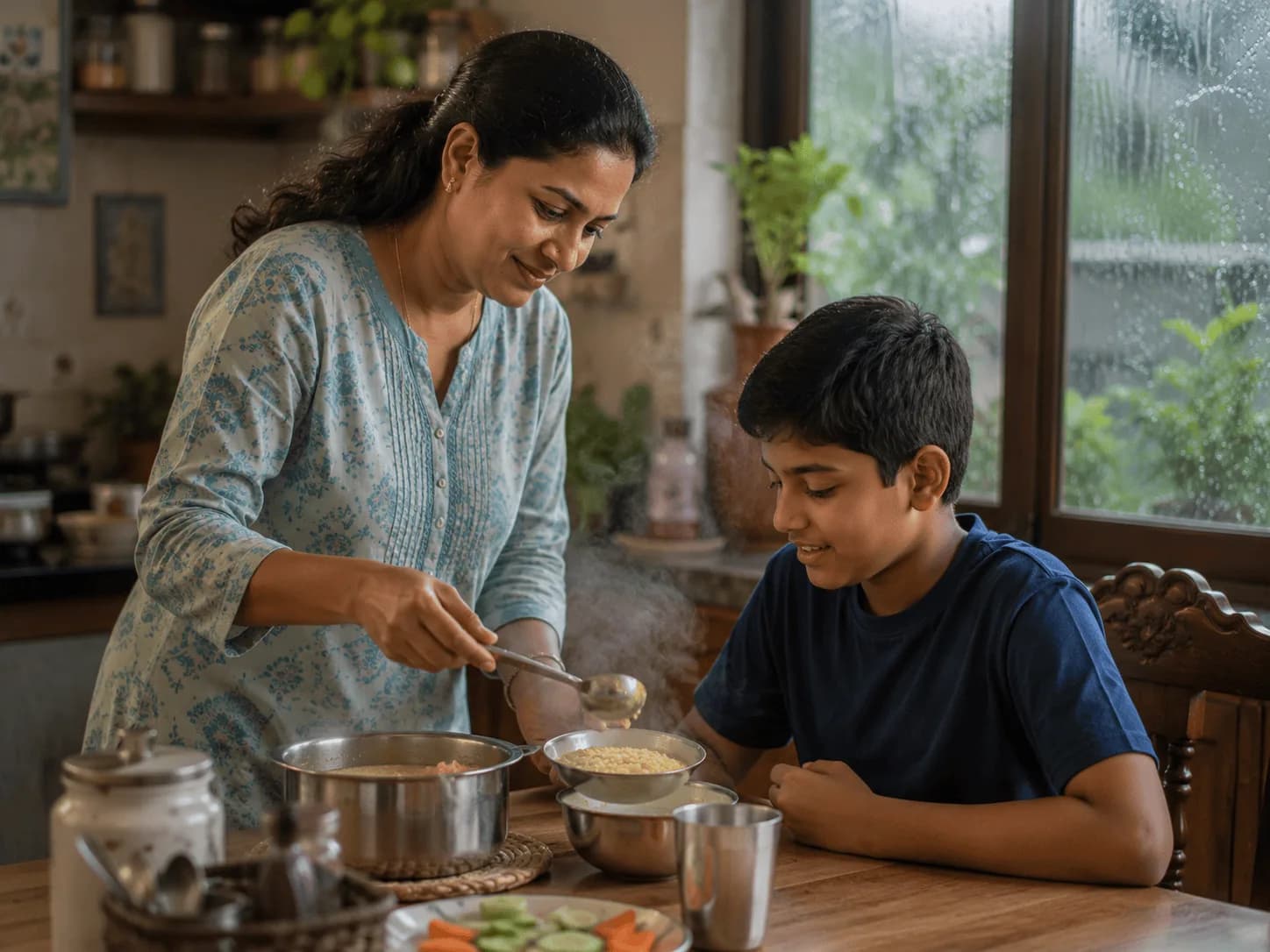
Alongside antibiotics come rest, steady fluids and paracetamol for fever. Eat soft, easily digested food: khichdi, dal, curd rice, bananas. The traditional sick plate is medically sound. Appetite returns before full strength does. Give the body its two to three weeks.
One more typhoid-specific note. A small number of recovered patients keep carrying the germ silently. They can pass it on through food they prepare. Where the doctor advises, a follow-up stool test after recovery confirms clearance. It is a small step that protects the whole family. Food-handlers in particular should complete this check.
Home care for the ordinary stomach infection
For the common stomach infection in monsoon, with no blood and low fever, home care wins. Take ORS after every loose motion. It is the single most life-saving sachet in medicine. Sip steadily, do not gulp. Keep up light feeding rather than starving. Give zinc to children as doctors advise. Wash hands strictly, so one patient does not become four.
Skip the two common mistakes. The first is anti-motion tablets. They trap the infection inside and are especially harmful with fever or blood. The second is "just in case" antibiotics. They wreck gut flora and mask typhoid testing.
Prevention runs through the same rules as the rest of the season: safe water, hot fresh food, washed hands. Our monsoon prevention checklist covers them in detail.
When IV fluids are needed: the drip decision
The drip is for the patient who cannot drink enough to replace what they are losing. Come to hospital, day or night, when you see any of these signs. Vomiting that rejects even sips of ORS. Signs of serious dehydration: very little or dark urine, sunken eyes, dry tongue, dizziness on standing, unusual drowsiness. Blood in vomit or stool. Severe pain in one spot of the belly rather than rolling cramps. High fever with confusion.
Take any of these even more seriously in the vulnerable: infants, the elderly, diabetics and pregnant women. In children, watch for a dry diaper for six hours, crying without tears, or listlessness. Those are the alarm bells.
IV fluids, anti-vomiting injections and monitored correction turn a spiralling day into a stable one. The treatment is simple. The timing is everything.
Stomach infection care at Memorial Hospital, Sonipat
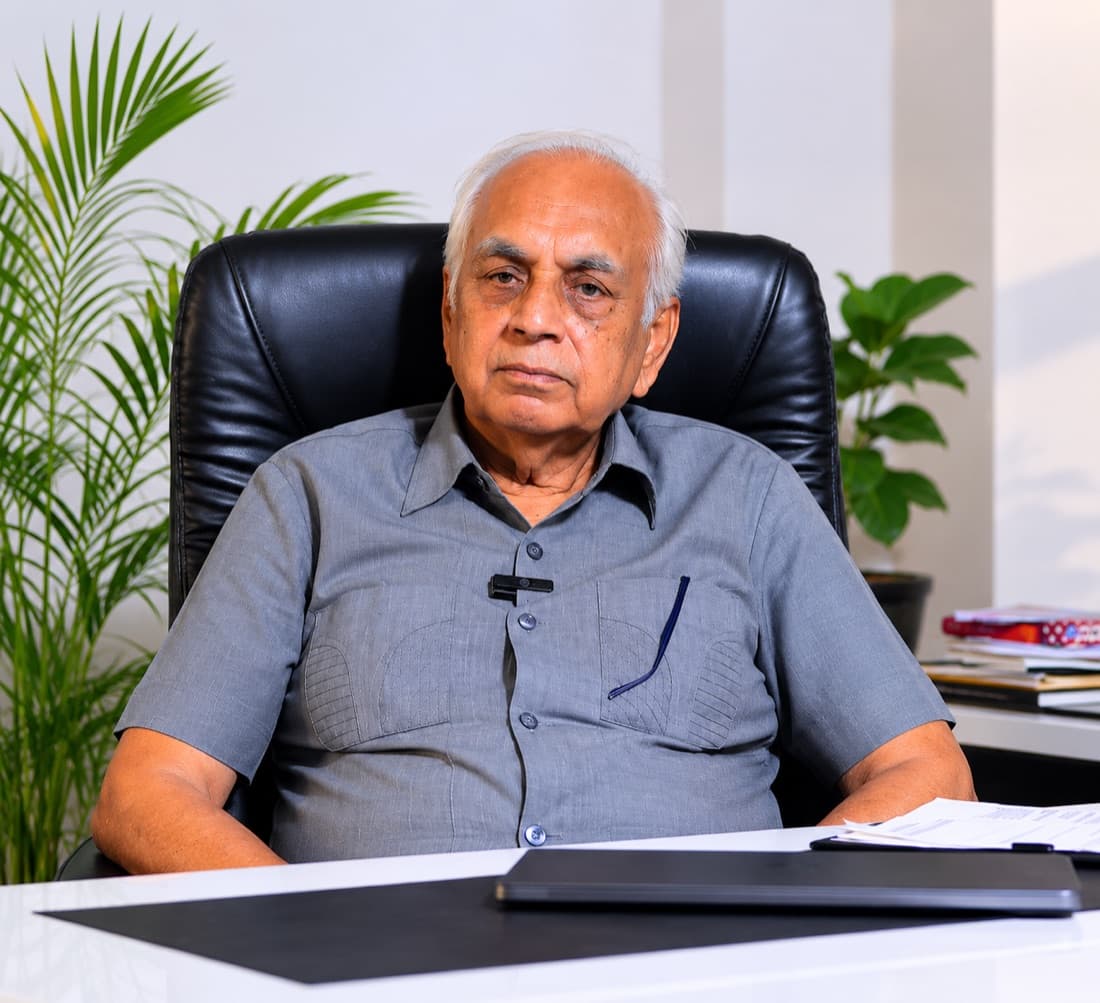
As a full-service hospital in Sonipat, Memorial Hospital covers this entire spectrum. OPD assessment is with Dr. Ramesh Mehta, MBBS, MD, the hospital's founder and senior physician (OPD daily, 10:30 AM to 3:00 PM). Blood culture, typhoid, dengue and malaria tests are done in-house, with same-day results. IV rehydration and admission are ready when the drip decision arrives. The 24×7 emergency handles the midnight versions. Fifty years of monsoons have taught the team exactly how this season behaves.
Frequently asked questions
How do I know if my fever is typhoid or ordinary viral fever?
Viral fevers peak early and fade within three to four days. Typhoid climbs like a staircase, each day a little higher. It brings headache, coated tongue, weakness and stomach upset, and it keeps going past day three or four. Any sustained climbing fever deserves typhoid and fever-panel testing rather than another week of watching.
Can typhoid be treated at home?
Most confirmed typhoid is treated at home. You need a doctor-selected antibiotic course, rest, soft food and fluids. Finish the course to the last tablet, even though fever settles mid-course. Hospital care is needed for persistent vomiting, severe pain, bleeding, confusion, or dehydration that drinking cannot correct.
When does a stomach infection need a drip (IV fluids)?
When fluids cannot stay down or cannot keep up. Watch for repeated vomiting of even sips, scanty dark urine, sunken eyes, dizziness on standing and drowsiness. Any worsening in a child, elderly person, diabetic or pregnant woman also counts. IV rehydration is quick and effective. Delaying it is what makes cases severe.
Which hospital in Sonipat treats typhoid and stomach infections?
Memorial Hospital on Delhi Road. Dr. Ramesh Mehta (MBBS, MD) runs a daily physician OPD (10:30 AM to 3:00 PM). Fever-panel testing, including blood culture, is done in-house. IV fluid and admission facilities are on site, plus a 24×7 emergency for severe dehydration and complications.
Respect the season's plate rules
Feed the family hot and fresh. Salt every loose motion with ORS. Let a climbing fever meet a blood test before its second week. Book an OPD visit (daily, 10:30 AM to 3:00 PM) for any fever past day three. Use the 24×7 emergency the moment fluids stop staying down. This article is general information and not a substitute for seeing a doctor.
Medically reviewed by Dr. Ramesh Mehta, MBBS, MD (Internal Medicine), Memorial Hospital, Sonipat.
Related specialty: General Medicine
Editorial note: This article is for general information and is not a substitute for personal medical advice. Please consult a qualified doctor about your specific symptoms. Last updated on 27 August 2026.