
Every monsoon, the yellow season arrives with the rain. Eyes turn the colour of turmeric water, urine goes dark as strong tea, and appetite vanishes. Most of it comes from the same tap - literally. Rain-swollen drains leak into water supplies, and the hepatitis A and E viruses ride that water into homes. That is why August and September are the jaundice months of North India. This guide to jaundice symptoms and treatment comes from our general medicine department in Sonipat. It explains what the yellowness means, which jaundice heals with rest, which needs a hospital bed, and why the season's famous miracle cures steal the weeks that matter.
What jaundice actually is
Jaundice is a sign, not a disease. It is the visible face of bilirubin, a yellow pigment that a healthy liver processes and clears out. When the liver is inflamed, blocked or overwhelmed, bilirubin backs up into the blood. It then paints the body, starting with the whites of the eyes and moving on to the skin, while the urine turns dark. Saying "the patient has jaundice" is like saying "the car is smoking". True, useful, and incomplete until someone finds out why. In the monsoon the usual answer is viral hepatitis, but the question must still be asked properly every time. Gallstones, some medicines, alcohol and even severe malaria can yellow the same eyes. The stakes in each of those cases are very different.
Why the monsoon brings hepatitis A and E
Hepatitis A and E are the waterborne members of the hepatitis family. They do not spread by blood or by needles, but through water and food touched by sewage. The monsoon is their festival, when flooded drains seep into old municipal pipes, wells and storage tanks. Street-side ice, cut fruit, chutneys and pani puri water carry what the eye cannot see. Hepatitis A visits children most often, and usually gently. Hepatitis E prefers adults, and it too usually settles on its own. There is one grave exception that every family must know. Hepatitis E in pregnancy can turn severe very fast. So any jaundice in a pregnant woman is treated as an emergency, and never watched at home. The same season also brings typhoid and monsoon stomach infections. The prevention plan for both is the same.
The symptoms: more than yellow eyes
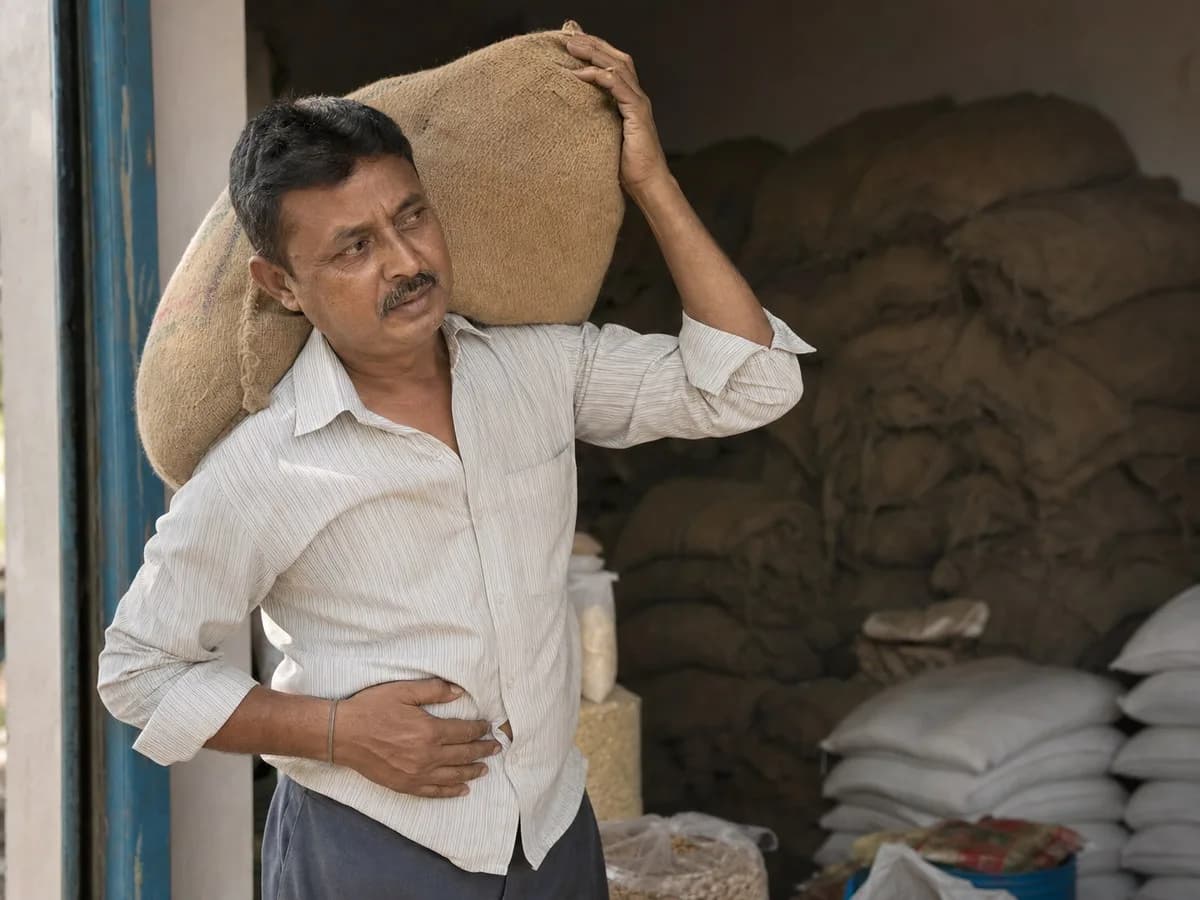
Jaundice rarely opens with yellow. The first days look like an ordinary viral illness. There is low fever, deep tiredness, body ache, nausea and a striking loss of appetite. Smokers often say that cigarettes suddenly taste terrible. Then the tell-tale signs arrive: yellow eyes, dark urine, sometimes pale clay-coloured stools and itchy skin. By the time the yellow shows, the fever often fades, and families read that as the end of the illness. In truth, the liver phase is only starting. Weakness can be deep and it can last for weeks. The liver heals on its own schedule, not on the calendar.
Jaundice symptoms and treatment: what actually helps
For the monsoon's viral jaundice, honest medicine is humble. No drug kills hepatitis A or E, and no injection hurries the liver. Treatment is rest, food and protection - and it works. Rest comes first, because the healing liver deserves the body's energy. Then comes food that is simple, fresh and home-cooked, and the old khichdi-dal-fruit pattern is sensible. The rule of "no oil at all" matters far less than eating enough. The liver heals on calories, not on starvation. Take fluids in plenty: water, ORS, coconut water, thin buttermilk. Keep alcohol at strict zero until your doctor clears it - months, not days. Protection matters just as much. That means no self-prescribed "liver tonics", and no painkillers you do not really need. Every regular medicine should be reviewed by a doctor, because several common drugs load the very organ that is trying to heal.
The season's miracle cures deserve the same bluntness. Branding, herb packets from unverified sources, faith-healer "jaundice removal" - these treat the family's worry, not the patient's liver. Most viral jaundice recovers on rest alone, so every cure seems to work, purely by coincidence. The tragedy is the serious case that spends its one critical week at a healer instead of a hospital.
When jaundice means hospital, not home rest
Some cases must be seen the same day, in the OPD or the 24×7 emergency. Jaundice in a pregnant woman, always and at once. Drowsiness, confusion or odd behaviour, which means the liver is failing to clear toxins from the brain. Vomiting that will not stop, or any vomited blood. Bleeding gums or black stools. Deepening yellow with less and less urine. Jaundice with high fever and chills. Jaundice in a diabetic, a heavy drinker, or anyone with known liver disease. And yellowness that keeps climbing past two weeks. These cases are the minority, but they are the ones where a day saved is a life saved.
Finding the cause: tests that settle it
A liver function test shows how high the bilirubin is and how inflamed the liver enzymes are. Hepatitis viral markers name the culprit, and an ultrasound looks for gallstones and blockage. Where the fever pattern suggests it, the monsoon fevers panel joins in, since malaria and dengue can both disturb the liver. At Memorial Hospital all of these run in-house with same-day results, so the "why" behind the yellow is usually answered in one visit. OPD assessment is with Dr. Ramesh Mehta, MBBS, MD, the hospital's founder and senior physician (OPD daily, 10:30 AM to 3:00 PM). Admission, IV fluids and monitored care are ready for the cases that need them. Gynaecology works alongside us for jaundice in pregnancy. Not all jaundice is viral: a gallstone slipping into the bile duct blocks the flow and yellows the eyes too, which is covered in our guide to gallbladder stone symptoms.
Frequently asked questions
How do I know if my jaundice is serious?
Most monsoon jaundice in otherwise healthy people recovers with rest and food. The serious signals are clear: jaundice in pregnancy, drowsiness or confusion, vomiting that will not stop, any bleeding, deepening colour with less urine, or jaundice on top of liver disease or heavy drinking. Any one of these means hospital the same day. Even so, every jaundice deserves one proper check with a liver function test.
What should a jaundice patient eat?
Enough - that is the forgotten rule. Keep it simple, fresh and home-cooked: khichdi, dal, rice, curd, fruit and boiled vegetables. Drink plenty - water, ORS, coconut water, buttermilk. Skip alcohol fully, along with deep-fried and street food. Skip any tonic or herbal packet your doctor has not cleared. Starving the patient "to rest the liver" only slows healing, because the liver repairs itself on good food.
How long does monsoon jaundice take to recover?
Usually two to six weeks for hepatitis A or E in a healthy adult. Weakness often lingers after the yellow fades. Recovery is confirmed by repeat liver function tests, not by colour alone. Going back to alcohol early is the classic self-made relapse, so wait for your doctor's clearance.
Can jaundice be prevented during the rains?
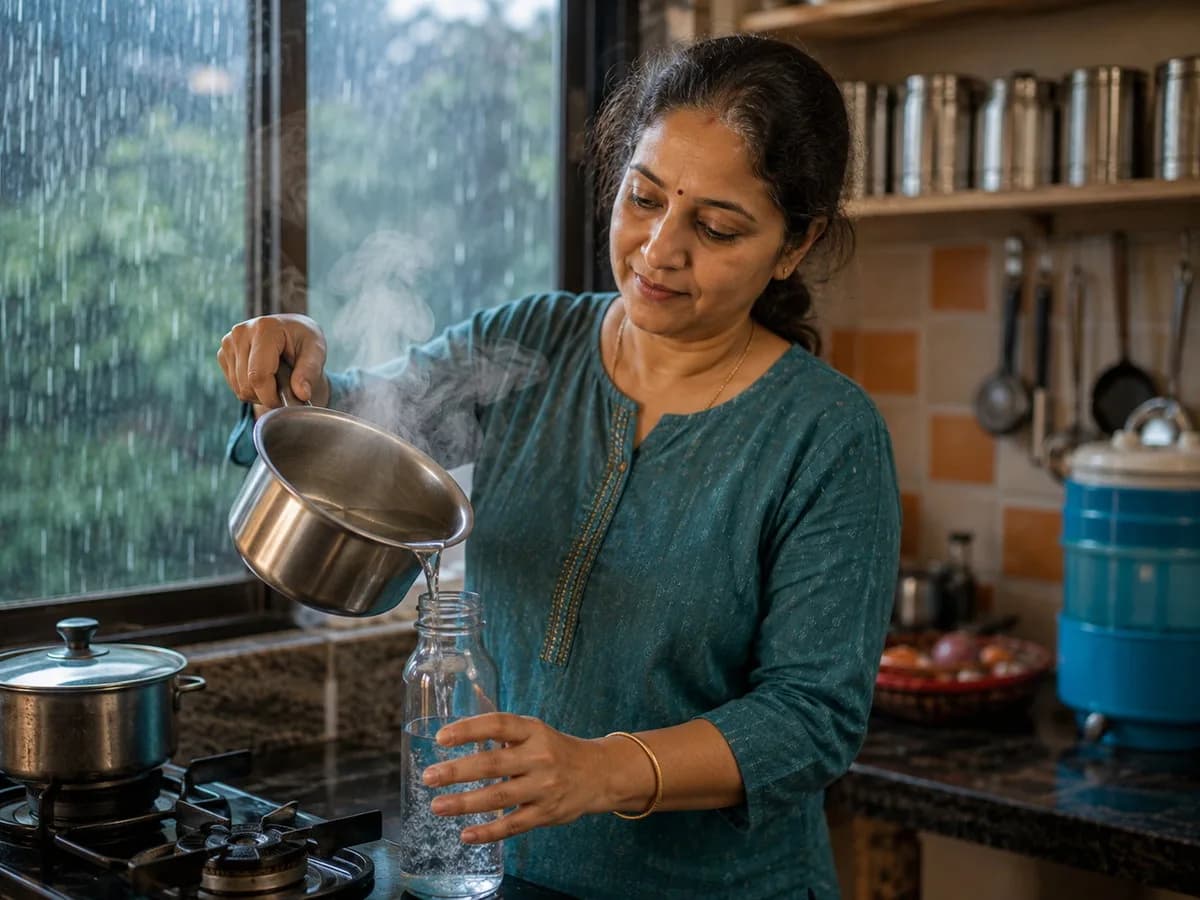
Largely, yes, because it travels through water and food. Drink boiled or properly purified water. Skip street-side ice, cut fruit and chutneys for the season, eat hot freshly cooked meals, and wash your hands before every meal. A hepatitis A vaccine exists and is worth discussing for children. The same habits also keep typhoid away. One discipline, two diseases avoided.
Respect the yellow, skip the myths
Yellow eyes are the liver asking for rest, real food and one honest check - give it all three. If jaundice has appeared in your home, book an OPD visit (daily, 10:30 AM to 3:00 PM) for same-day testing. And treat jaundice in pregnancy as the emergency it is, at any hour. This article is general information and not a substitute for a consultation.
Medically reviewed by Dr. Ramesh Mehta, MBBS, MD (Internal Medicine), Memorial Hospital, Sonipat.
Related specialty: General Medicine
Editorial note: This article is for general information and is not a substitute for personal medical advice. Please consult a qualified doctor about your specific symptoms. Last updated on 7 September 2026.