


Ask any urologist in North India which season keeps them busiest and the answer is almost always the same: summer. From April to July, kidney stone cases climb sharply across Haryana, and Sonipat is no exception. The good news is that kidney stone prevention in summer is mostly about a handful of simple habits, done consistently. This guide from our urology care in Sonipat team explains why heat and stones are so closely linked, the warning signs to watch for, and exactly what you can do to protect yourself through the hottest months.
Why kidney stone cases spike in summer
A kidney stone is a hard deposit of minerals and salts that forms inside the kidney when urine becomes too concentrated. Summer tilts the balance in the stone's favour in three ways.
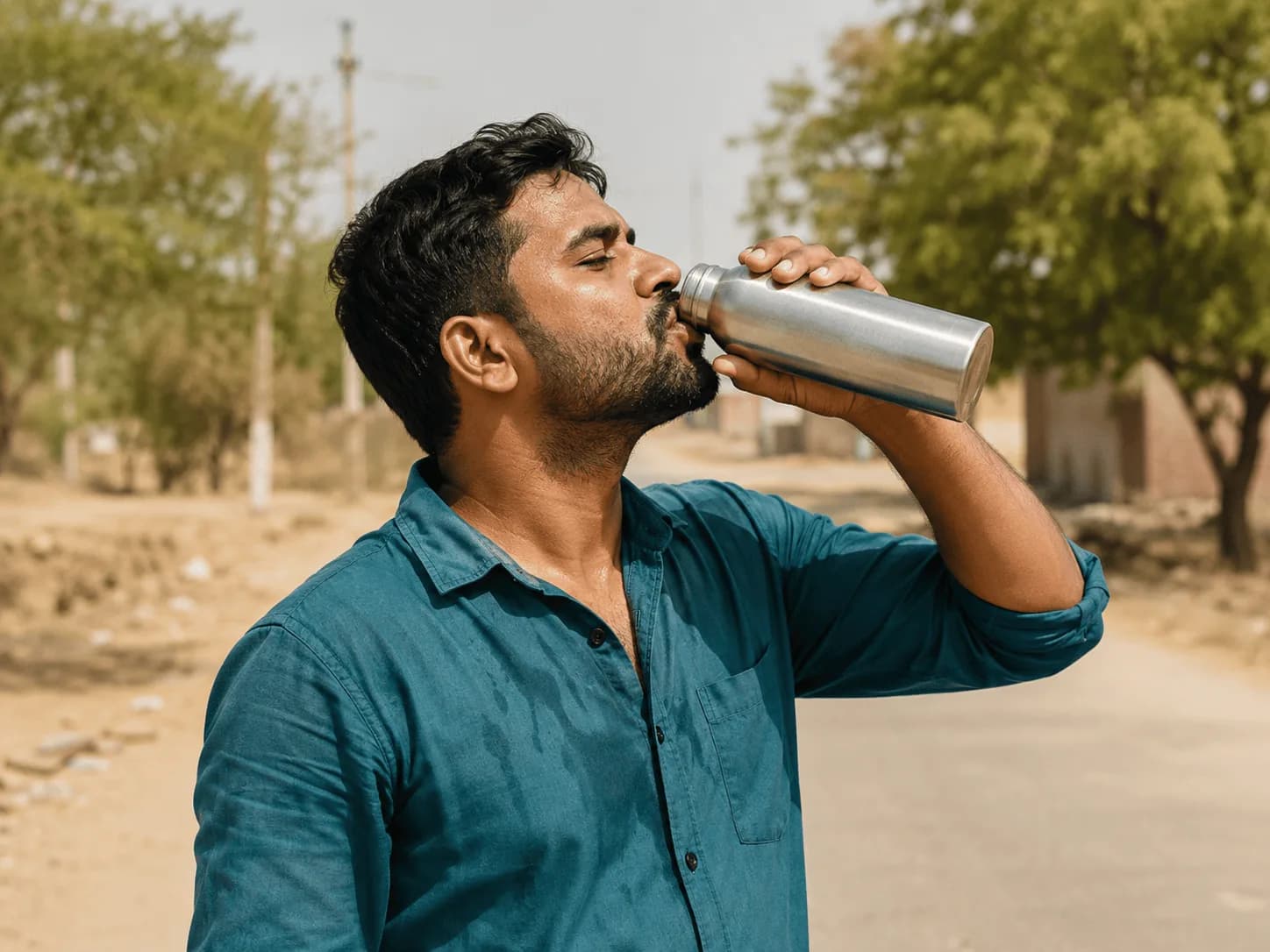
First, you sweat far more. When the temperature crosses 40°C, as it regularly does in Haryana, the body can lose litres of fluid a day through sweat, and that fluid loss comes straight out of your urine volume. Less urine means the minerals in it, mainly calcium and oxalate, are packed closer together, and crystals begin to form.
Second, most people do not increase their water intake enough to match what they lose. Farmers, factory workers, shopkeepers, students on the move, drivers, anyone who spends the day out of air conditioning is losing more fluid than they replace.
Third, urine chemistry itself shifts. Concentrated urine is not just lower in volume; it is more acidic, which makes certain stones, such as uric acid stones, more likely to crystallise.
This seasonal pattern is well documented in hot climates around the world, and hospitals in North India see it play out every single year. Stone season and summer are, for practical purposes, the same season.
How dehydration turns into a kidney stone
The link between dehydration and kidney stones is direct and mechanical. Think of dissolving sugar in a glass of water: a full glass keeps it dissolved, but if you pour half the water away, sugar starts settling at the bottom. Your kidneys work the same way. They filter a fixed load of waste minerals every day, and the water you drink is what keeps that load dissolved and flowing out.
When you are dehydrated, the kidneys conserve water and produce a small amount of dark, concentrated urine. Calcium, oxalate and uric acid in that urine reach saturation point, crystals form, and over weeks those crystals grow into stones. A stone that began as a microscopic crystal in May can become a painful, stuck stone by August.
One practical self-check needs no equipment at all: look at the colour of your urine. Pale yellow, like light lemon water, means you are drinking enough. Dark yellow or tea-coloured urine is a warning that your kidneys are running dry.
Kidney stone symptoms you should not ignore
Many stones announce themselves suddenly. The classic kidney stone symptoms are a severe, cramping pain in the side or lower back that comes in waves and may travel to the lower abdomen and groin, an urge to pass urine frequently, burning while urinating, nausea or vomiting, and urine that looks pink, red or cloudy.
Not every stone causes dramatic pain. Some cause only a dull ache in the back that comes and goes, or repeated urinary infections. Any episode of blood in the urine deserves a proper check, even if it happens once and settles, because it can point to problems beyond stones.
If you have already had a stone, take symptoms seriously and act early. Half of stone formers develop another stone within five to ten years, and we cover how kidney stones are treated in Sonipat in a separate detailed guide.
Kidney stone prevention in summer: what actually works
Prevention is not complicated, but in a Haryana summer it has to be deliberate. These are the habits our urology team recommends to patients every stone season.
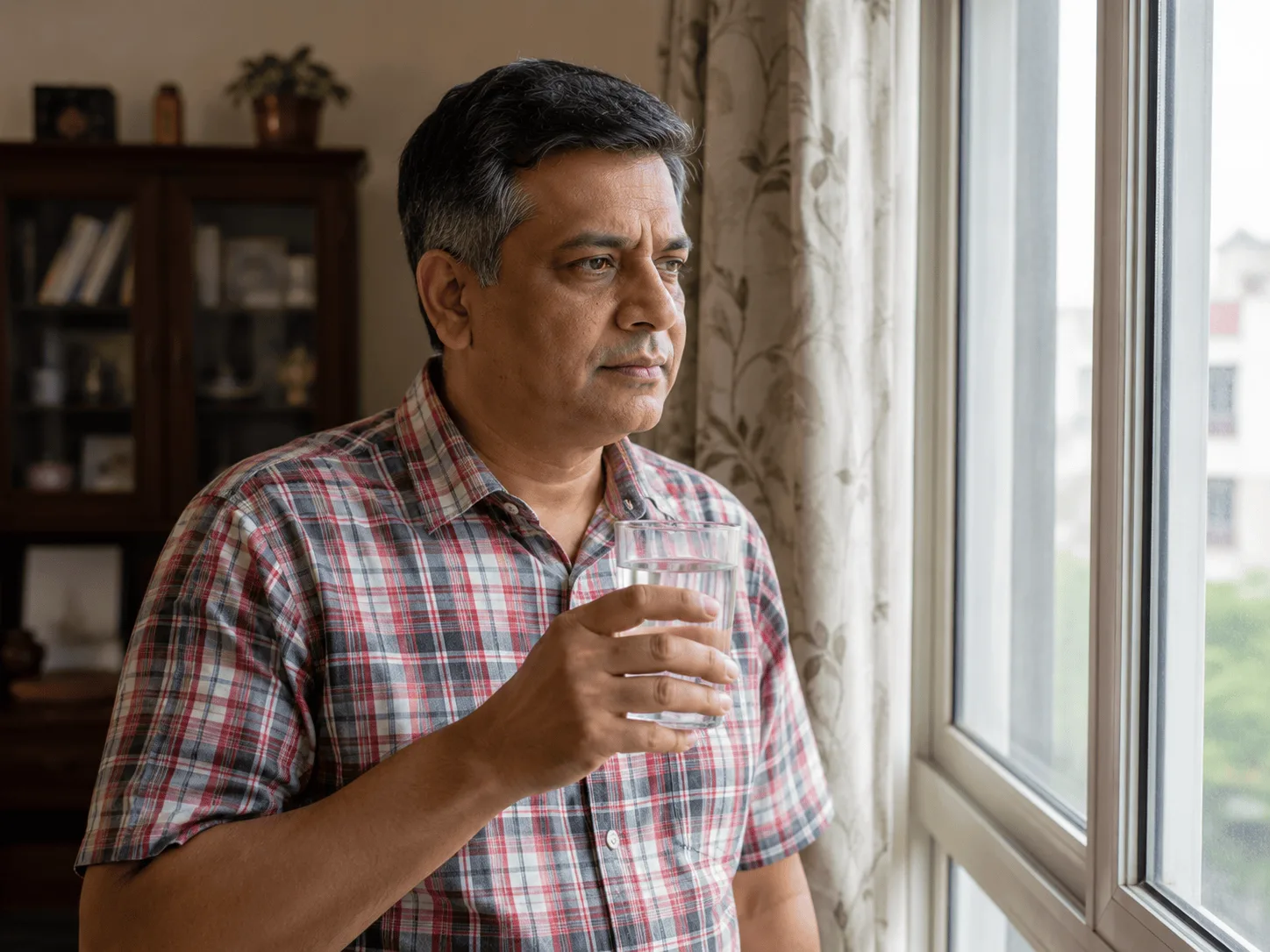
Drink before you feel thirsty. Thirst lags behind dehydration. Aim for two and a half to three litres of fluid spread across the day, and more if you work outdoors or exercise. Keep a bottle within reach and sip continuously rather than gulping occasionally.
Anchor your water to your routine. A glass on waking, one with every meal, one before leaving the house, and one before bed cover a large share of your daily target without any counting.
Watch your urine colour, not just your intake. In extreme heat, three litres may still not be enough for an outdoor worker. Pale yellow urine is the goal; adjust your intake until you get there.
Go easy on salt. A high-salt diet pushes calcium into the urine, where it feeds stones. Pickles, papad, packaged namkeen and restaurant food are the usual culprits. You do not need a bland diet, just a sensible one.
Do not replace water with colas. Sugary soft drinks are linked to a higher stone risk. Water, nimbu paani, buttermilk and coconut water are far better summer choices, and the citrate in fresh lime actually helps prevent certain stones from forming.
Keep protein in proportion. Very heavy non-veg eating increases uric acid, which forms stones of its own. Moderate portions are fine for most people.
Do not cut calcium on your own. Many patients wrongly stop milk and curd after a stone. Normal dietary calcium actually binds oxalate in the gut and lowers stone risk; it is calcium supplements taken without advice that can cause trouble. Talk to a doctor before changing your diet drastically.
When should you see a urologist?
See a urologist promptly if you develop stone-like pain, notice blood in your urine, have burning or difficulty passing urine that lasts more than a day or two, or have a known stone that has never been re-checked. Men over 50 should also be alert to urinary changes from prostate problems after 50, which can mimic or worsen stone symptoms.
Go to the emergency department immediately if severe pain comes with fever and chills, if you cannot keep fluids down because of vomiting, or if you are passing very little urine. A blocked, infected kidney is a genuine emergency, and Memorial Hospital's emergency service runs 24×7 for exactly these situations.
Summer stone care at Memorial Hospital, Sonipat
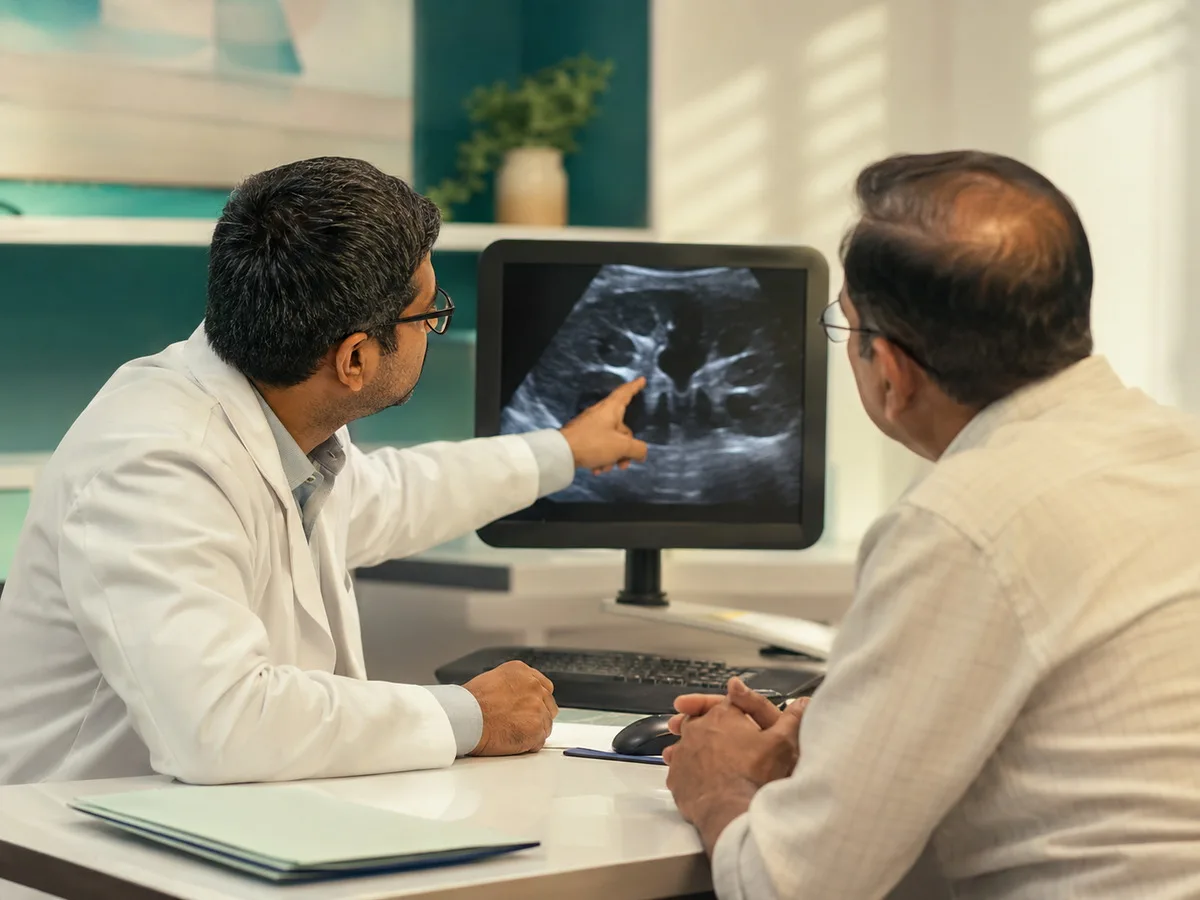
At Memorial Hospital, stone patients are seen by Dr. Gaurav Singh Randhawa, M.Ch (Urology), a senior consultant urologist who has performed more than 10,000 endo-urology procedures. The urology OPD runs Monday to Saturday, 10:30 AM to 1:30 PM, and in-house ultrasound, X-ray and laboratory testing mean a suspected stone can usually be confirmed the same day.
If a stone is found, treatment is matched to its size and position, from medicines that help small stones pass, to laser and keyhole procedures for larger ones, with no large cuts involved in the vast majority of cases. Just as importantly, patients who form stones repeatedly are given a personalised prevention plan, so each summer gets safer instead of riskier.
Frequently Asked Questions
How much water should I drink daily to prevent kidney stones in summer?
Enough to produce pale yellow urine, which for most adults in a Haryana summer means two and a half to three litres a day, and more with outdoor work or exercise. Spread it across the day rather than drinking large amounts at once, and increase intake on the hottest days.
Can drinking lemon water really prevent kidney stones?
It can help. Fresh lime and lemon are rich in citrate, a natural substance that makes it harder for calcium crystals to form and grow. Nimbu paani without much added sugar is a genuinely good summer drink for stone-prone people, though it supplements, not replaces, an adequate water intake.
I passed a small stone last year. Will it happen again?
Your risk of another stone is real: roughly half of stone formers get a recurrence within five to ten years. That risk falls sharply with good hydration and diet habits, and a urologist can test your stone type and urine chemistry to build a specific prevention plan.
Which doctor should I see for kidney stones in Sonipat?
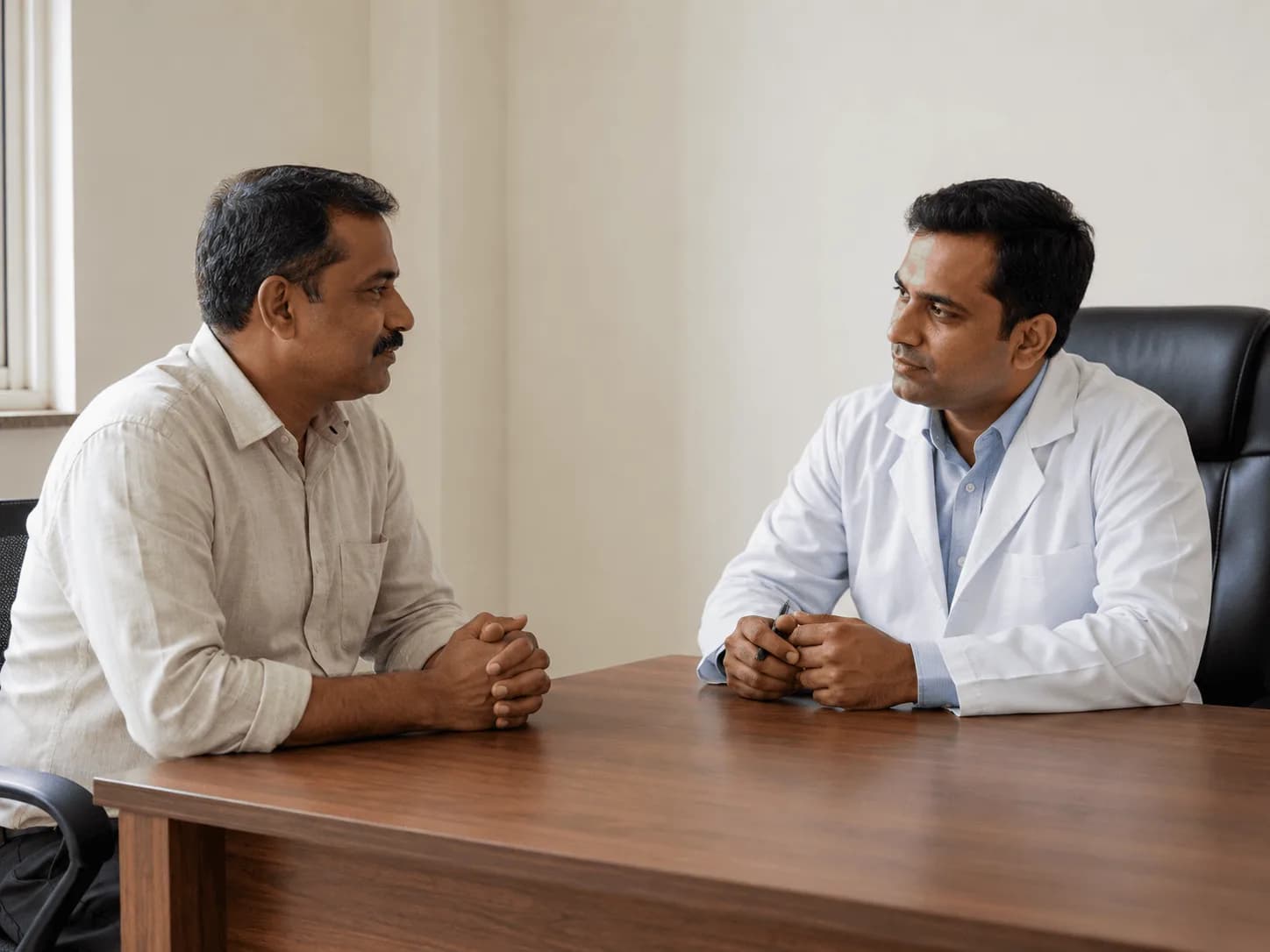
A urologist is the specialist for kidney stones. At Memorial Hospital, Dr. Gaurav Singh Randhawa (M.Ch Urology) runs the urology OPD Monday to Saturday, 10:30 AM to 1:30 PM, and severe stone pain is attended 24×7 through the emergency department.
If summer is here and your water bottle is not, take this as your reminder. And if stone pain or urinary symptoms have already appeared, book an appointment online or visit the urology OPD, Monday to Saturday, 10:30 AM to 1:30 PM.
Medically reviewed by Dr. Gaurav Singh Randhawa, MBBS, MS, M.Ch (Urology), Memorial Hospital, Sonipat.
Related specialty: Urology
Editorial note: This article is for general information and is not a substitute for personal medical advice. Please consult a qualified doctor about your specific symptoms. Last updated on 15 August 2026.