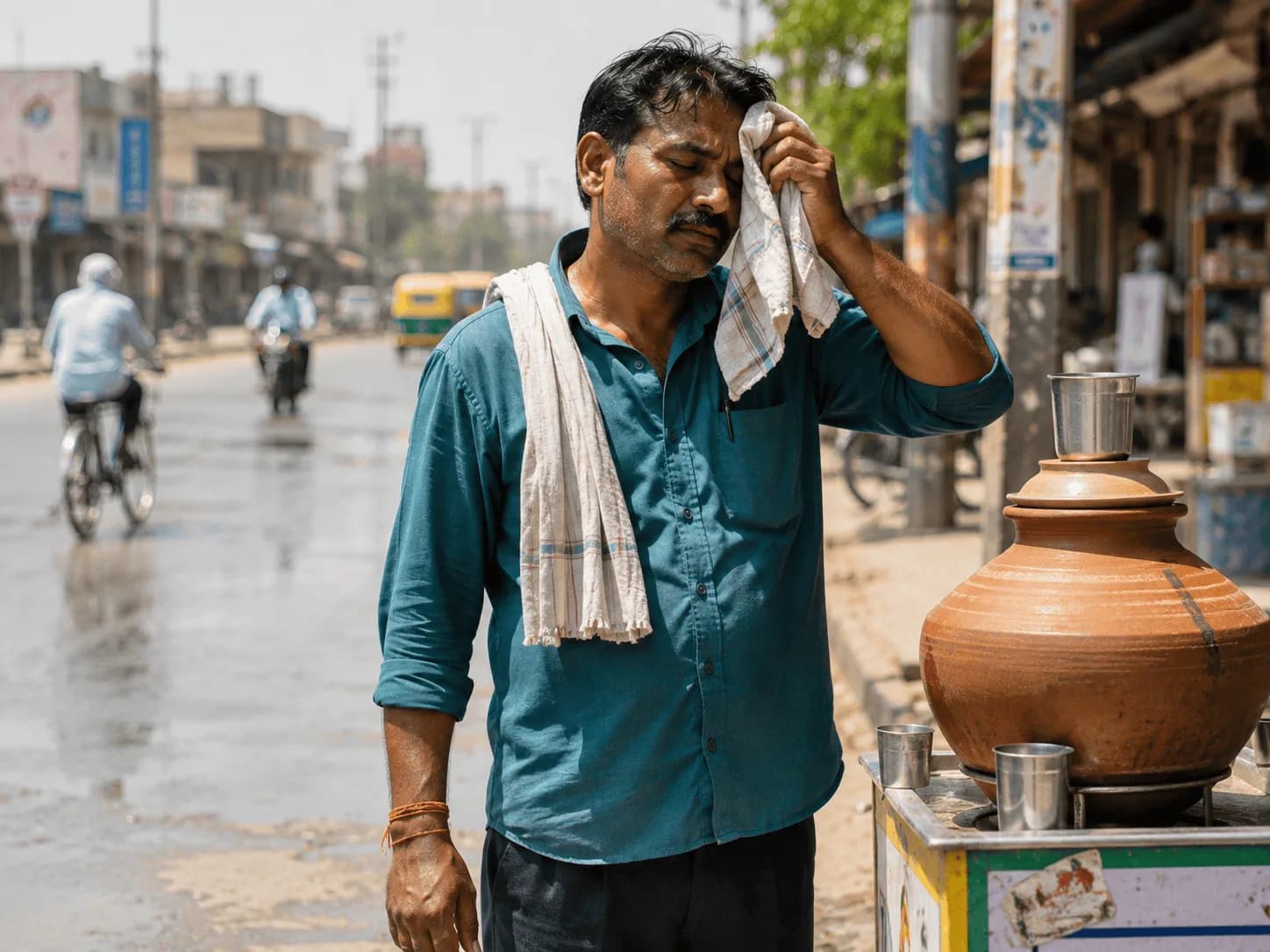
Every summer, Haryana crosses 44°C. Hospitals across the state then see patients whose families say the same thing: "We thought he just needed rest." Knowing heat stroke symptoms, and how they differ from plain heat exhaustion, can save a life. The window for action is short. This guide from our internal medicine team in Sonipat explains the difference between the two. It also covers the first aid that matters in the first ten minutes, and when to head straight for emergency care. It also helps to decide in advance where you would go.
Why extreme heat overwhelms the body
Your body runs at around 37°C and works all day to stay there. It does this mainly by sweating. In a Haryana loo - dry, scorching wind at 45°C - sweat dries faster than the body can replace fluid. As water and salt run low, the cooling system begins to fail. Body temperature creeps up. Organs that cope poorly with heat come under strain, especially the brain, kidneys and heart.
Heat illness is a spectrum. It starts with heat cramps and moves on to heat exhaustion. It can end in heat stroke, a true medical emergency with a real risk of death. The whole journey can take a few hours. In the wrong conditions, it can take less than one.
Heat exhaustion: the body's warning stage
Heat exhaustion is the body pleading for help while its cooling system still works. The signs are heavy sweating with cool, clammy, pale skin. Intense thirst and weakness. Headache and dizziness, especially on standing. There may be nausea or vomiting, muscle cramps in the legs or belly, and a fast but weak pulse. The person feels awful and drained. But here is the key point: they are alert, and they make sense when they talk.
Treat it early - shade, fluids, rest - and heat exhaustion settles within a few hours. Ignore it, especially if the person keeps working in the sun, and it can tip into heat stroke.
Heat stroke symptoms: the emergency
Heat stroke means the cooling system has failed. Body temperature is rising unchecked, usually beyond 40°C. These are the heat stroke symptoms every family should know.
Hot, red, dry skin. In classic heat stroke the sweating stops. The skin feels burning hot and dry to the touch. This is the single most alarming switch from heat exhaustion.
Confusion and strange behaviour. The overheated brain stops working properly. The person becomes disoriented or agitated. They slur words, cannot answer simple questions, or behave oddly. Any mental change in a person exposed to heat is heat stroke until proven otherwise.
A pounding, rapid pulse and a throbbing headache. Sometimes there are fits (seizures), or the person collapses and passes out.
The difference is easy to remember. Heat exhaustion sweats and complains. Heat stroke stops sweating and stops making sense. The moment the mind is affected, you are no longer looking after a tired family member. You are in a race to the hospital.
First aid: the ten minutes that matter
If you suspect heat stroke, act on two fronts at once. Cool the person, and arrange transport to hospital. Move them into shade or an air-conditioned room. Remove extra clothing. Pour water over the body and fan them without stopping. Place wet cloths or ice packs on the neck, armpits and groin. Large blood vessels run close to the skin there. If they are fully conscious, give sips of cool water or ORS. Never force fluids into a drowsy or confused person. They can choke.
Two common things people do that do not help. First, paracetamol and other fever tablets do nothing for heat stroke. This is not a fever, and the tablets may burden the liver. Second, wrapping the person in blankets "for weakness" does real harm. Cooling on the way to hospital is part of heat stroke treatment itself. Do not wait for the hospital to begin.
Who is most at risk in our region
Outdoor workers face the highest risk - farmers, construction labour, rickshaw pullers, delivery riders. The danger peaks between noon and 4 PM. The elderly are at risk because ageing blunts thirst and sweating. Many older people on heart or blood pressure medicines also dry out more easily. Small children sit in the danger zone too. So do people with diabetes or heart disease, and anyone getting over an illness. Even healthy young people get heat stroke when hard effort meets peak heat. A cricket match at 3 PM in June is a real risk.
Dehydration in these same weeks quietly drives other problems as well. It is a big part of why kidney stones spike in summer across Haryana.
Keeping your family safe through peak summer
The basics work. Drink water through the day, not just when thirsty. Keep ORS and nimbu paani-style fluids handy for anyone working outside. Plan heavy outdoor work before 11 AM or after 5 PM. Wear light, loose cotton and cover the head outdoors. Never leave a child, elderly person or pet in a parked car, even briefly. Check on elderly relatives living alone during heat waves. A phone call at noon can catch trouble early. When the season turns, a different set of risks arrives with the rains. We cover preparing your family for the monsoon separately.
Emergency care at Memorial Hospital, Sonipat
Suspected heat stroke needs an emergency hospital in Sonipat that can act at once. This is exactly what Memorial Hospital's 24×7 emergency department is built for. Active cooling, IV fluids and close monitoring begin on arrival. We track temperature, blood pressure and kidney function. ICU support and ventilators are available for the most severe cases. In-house laboratory testing tracks how the organs recover.
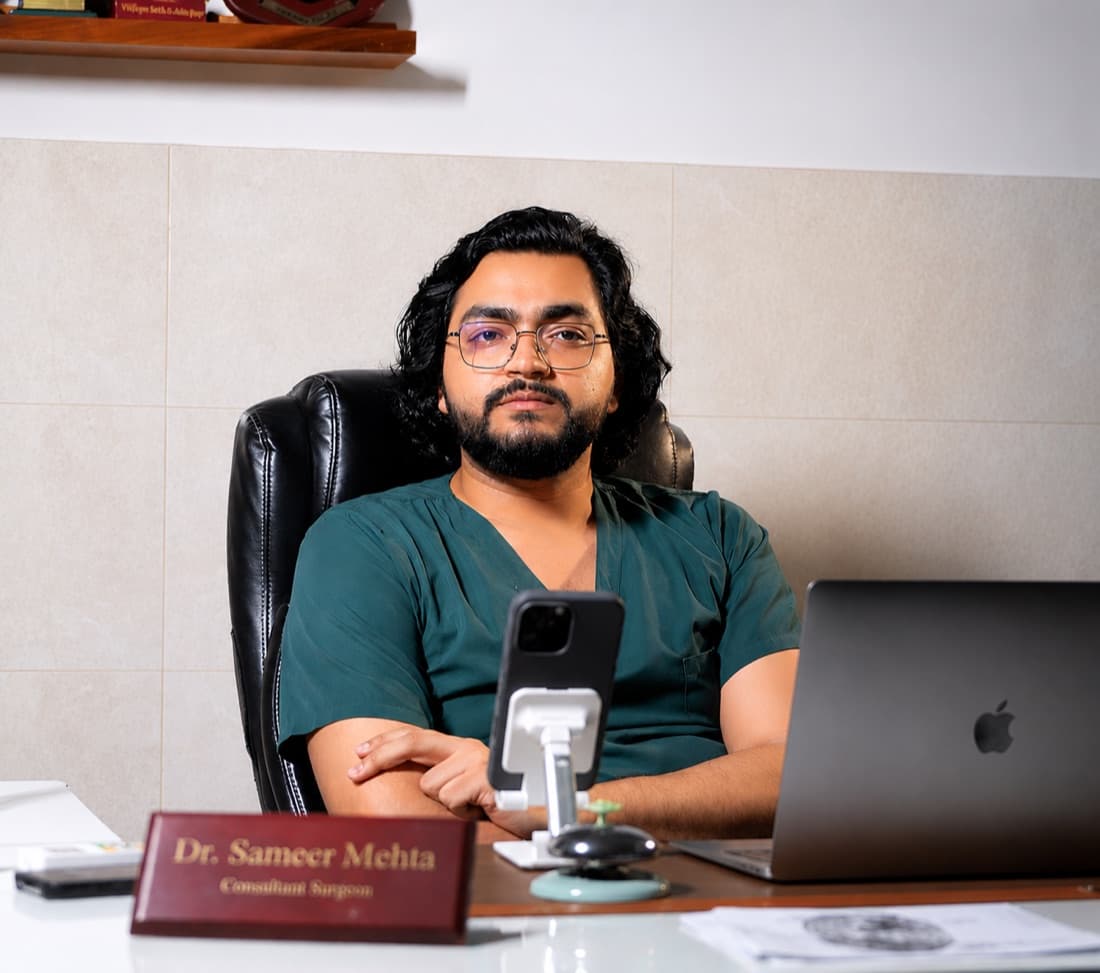
Care is led by our critical care and internal medicine team, including Dr. Sameer Mehta, MBBS, MD. His OPD also runs daily (11 AM to 2 PM, plus 6 to 7 PM Monday to Saturday) for non-emergency summer complaints. These include lasting weakness, dizziness, low urine output, or blood pressure worries in the heat.
Frequently asked questions
How do I tell heat stroke from heat exhaustion?
Two switches mark the emergency: the skin and the mind. Heat exhaustion has heavy sweating with cool, clammy skin, and the person is alert. In heat stroke the skin turns hot, red and dry. The person becomes confused, drowsy, or stops making sense. Confusion plus heat means hospital, right away.
What is the first aid for heat stroke at home?
Move the person to shade and strip extra clothing. Pour water over the body, fan them, and put wet cloths or ice on the neck, armpits and groin. Arrange transport to an emergency hospital at the same time. Give sips of water or ORS only if they are fully conscious. Do not give fever tablets. They do not work for heat stroke.
Can heat stroke happen indoors?
Yes. During heat waves, poorly aired rooms can stay dangerously hot through the night. Top-floor rooms under a concrete roof are the worst. The elderly, infants and people with long-term illness can develop heat stroke indoors without any sun. Fans, cross-ventilation, wet-cloth cooling and regular fluids matter inside the house too.
Which emergency hospital in Sonipat treats heat stroke?
Memorial Hospital's emergency department on Delhi Road runs 24×7. It has ICU backup, IV fluid and active cooling protocols, and in-house labs. In any suspected heat stroke, start cooling at home and come straight to emergency. No appointment is ever needed for an emergency.
Take the heat seriously
If someone in your family shows warning signs this summer, cool first and travel fast. Then let the 24×7 emergency department take over. For non-urgent heat-related complaints - recurring dizziness, weakness or dehydration - book an OPD visit with our doctors. This article is general information and not a substitute for a consultation.
Medically reviewed by Dr. Sameer Mehta, MBBS, MD (General Medicine & Critical Care), Memorial Hospital, Sonipat.
Related specialty: General Medicine
Editorial note: This article is for general information and is not a substitute for personal medical advice. Please consult a qualified doctor about your specific symptoms. Last updated on 27 August 2026.