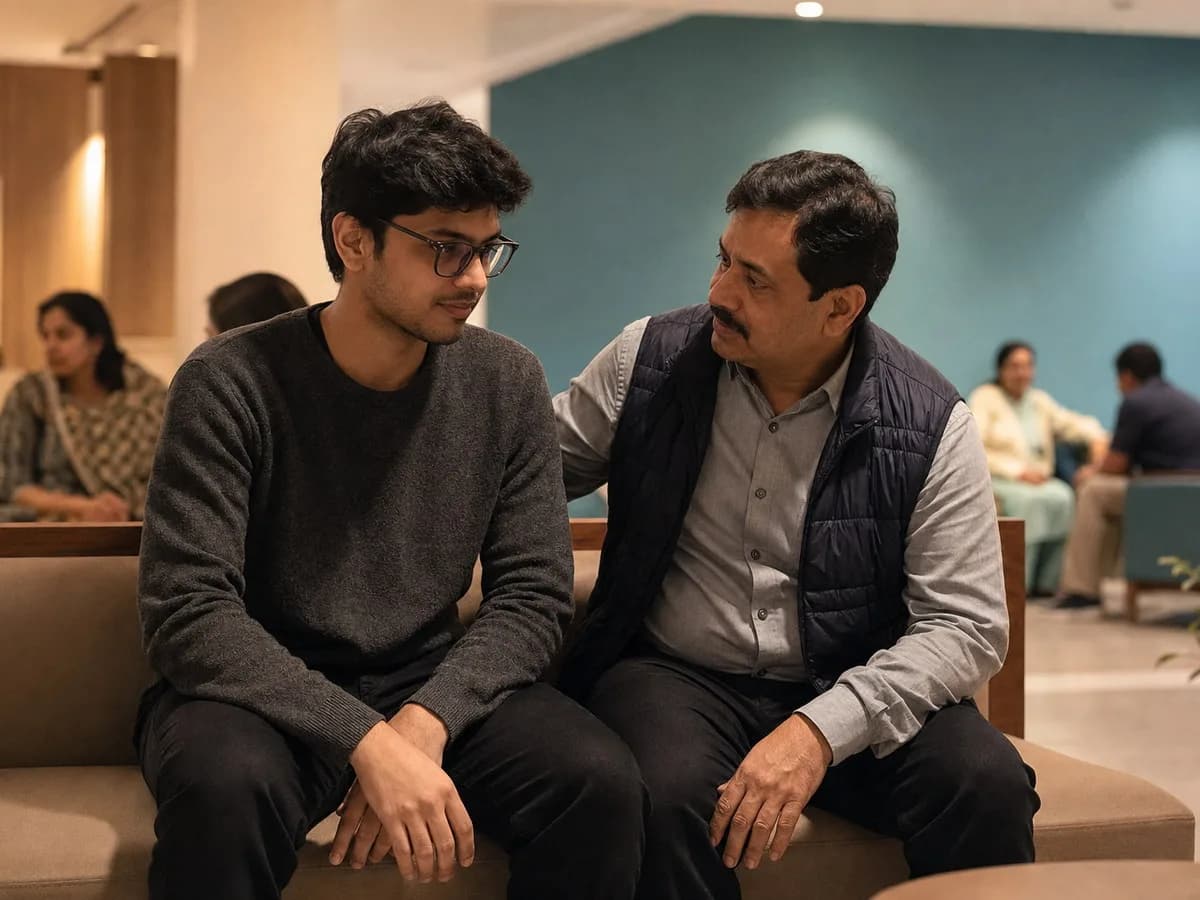



Every family plans for weddings and school admissions. Almost no family plans for the 2 AM call. That is the night a chest goes tight, an arm goes weak, or a two-wheeler comes home on a stretcher. In that moment, the choice of emergency hospital in Sonipat is made in minutes. It is made in panic. Often it is made by the youngest person with a driving licence. This guide comes from our physician-led care in Sonipat team. Read it on a calm day. Then, on the loud night, your family already knows what to do.
The golden hour: why the nearest right hospital beats the biggest far one
Emergency care runs on a clock. In a heart attack, a blocked artery kills heart muscle every minute. In a stroke, clot-dissolving treatment works best in the first few hours. In heavy bleeding, every minute on the road is blood lost. Doctors call this the golden hour. It gives this guide its most important rule.
You do not need the most famous hospital. You need the nearest hospital that can steady the patient. A patient made stable in Sonipat can be shifted later if that is needed. The shift then happens with monitoring, on the hospital's terms. A patient driven ninety minutes towards a bigger name spends the golden hour in traffic. Distance harms more surely than any shortfall of fame.
What makes an emergency hospital in Sonipat truly ready
A signboard can say "24×7" with no effort at all. Real readiness is far more specific. On a calm day, judge any 24 hour hospital in Sonipat against this checklist.
First, a doctor in the building at all hours - not on call from home. Then treatment starts the minute you walk in. Second, an ICU right behind the emergency room. It needs ventilators, monitors, and staff trained to run them. The first night decides most outcomes. That is what a search for an ICU hospital in Sonipat should really mean.
Third, an operation theatre with anaesthesia cover round the clock. A stuck hernia, a road accident or a birth emergency cannot wait for morning. Fourth, a lab and scans that work at night. Blood counts, sugar, X-ray, ultrasound and CT are the eyes of emergency care. Without them, the team is working blind.
Fifth, backup for special cases. That means dialysis, newborn (NICU) support where babies are born, and a clear plan for blood. Last, and hardest to measure: a team that handles emergencies every single day. Your worst night is their routine work. That habit shows in how fast the first ten minutes move.
Go straight to emergency, do not wait for an OPD
Some problems can wait for an appointment. These cannot.
Chest pain that lasts more than a few minutes, especially with sweating or breathlessness. Read how heart-type chest pain behaves. Sudden weakness on one side, a drooping face, or slurred speech. Those are the classic stroke warning signs. A seizure, whether it is the first one ever or a long one. Serious injuries and road accidents. Trouble breathing. Heavy bleeding of any kind, including in pregnancy. Sudden severe belly pain. High fever with confusion or a stiff neck. Poisoning or snakebite. A person with diabetes found drowsy or unconscious. Belly pain that starts near the navel and settles low on the right is one of the commonest surgical emergencies we see, covered in our guide to the appendix operation.
For every one of these, the 24×7 emergency department is the front door. Day, night, Sunday or Diwali.
The ten minutes before the hospital
What the family does before reaching hospital changes the outcome. Call ahead if you can. A warned emergency room gets ready before you park. Carry the medicine strip and the file of old reports. Bring any sugar or blood pressure record too. A strip answers questions a drowsy patient cannot.
Give no food or water to a patient who is vomiting, fitting or drowsy. If you suspect a stroke or a heart attack, keep the patient at rest. Walking to prove you are fine is the costliest test in medicine. Note the time the symptoms started. Treatment windows are counted from that minute. And send one person into the emergency room, not the whole street. Space is treatment too.
Keep an emergency file ready at home
One quiet evening of prep removes half the panic from every future emergency. Keep one folder that the whole family can find. Put in it the ongoing prescriptions and medicine strips of each member. Add the latest test reports and discharge summaries. Add a card with blood groups, allergies and long-term illnesses. Add the health insurance or scheme papers, if you have any.
Save the hospital's emergency number in at least two phones. Decide now who drives at night. Decide which vehicle always keeps fuel in it. Families with a heart, seizure or diabetes patient should go one step further. Everyone at home should know what that person's emergency looks like. That includes teenagers and house help. They should know where the folder lives as well. Sixty seconds of grabbing one folder beats twenty minutes of searching drawers while the clock runs.
Memorial Hospital's emergency setup
Memorial Hospital has run emergency care on Delhi Road, near Mama Bhanja Chowk, for five decades. Three generations of some families have come in through the same gate. Behind our emergency room sit ICU beds with ventilator support. There is a modular operation theatre with 24×7 anaesthesia cover. The lab is in-house, and so are X-ray, ultrasound and CT. Dialysis support is on hand, and NICU support for newborns.
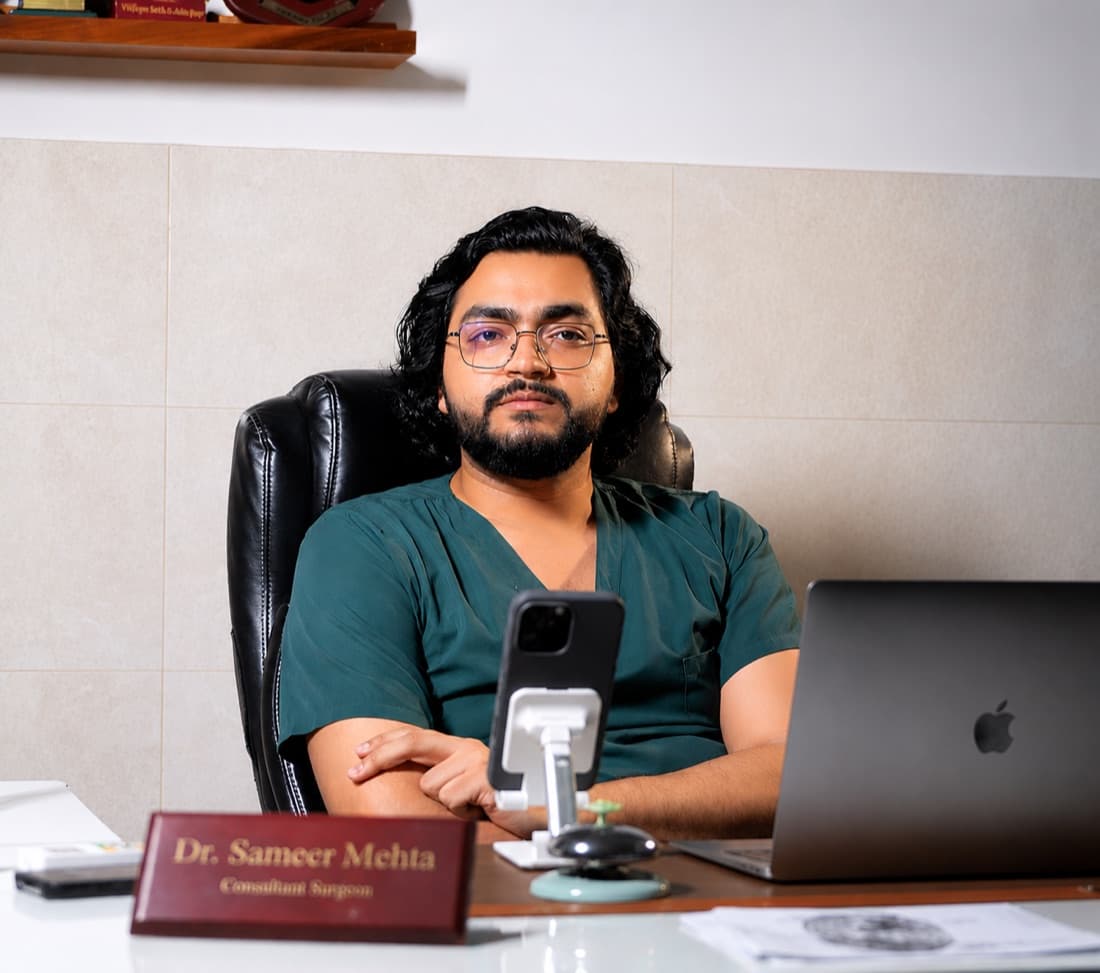
Critical care is led by Dr. Sameer Mehta, MBBS, MD, trained in critical care at Sir Ganga Ram Hospital, Delhi. The hospital's specialists stay on call for their own emergencies - surgery, orthopaedics, gynaecology and urology. One more thing matters just as much, and that is honesty. When a case truly needs a bigger centre, we steady the patient first. Then we arrange the transfer properly. And we tell the family exactly why.
Frequently asked questions
Which hospital in Sonipat is open 24 hours for emergencies?
Memorial Hospital on Delhi Road, near Mama Bhanja Chowk, runs a 24×7 emergency department with doctors present in the building at all hours. There is ICU and ventilator backup, plus an operation theatre with round-the-clock anaesthesia cover. The lab and imaging are in-house. The gate is open every day of the year, festivals included.
What should I do first in a medical emergency at home?
Note the time the symptoms started, then call the hospital so the emergency room can get ready. Leave at once with the patient's medicine strips and old reports. Keep the patient resting, and never make them walk to test their strength. Give nothing to eat or drink if they are drowsy, vomiting or fitting.
When should we go directly to Delhi instead of a Sonipat hospital?
Almost never as the first stop. In a heart attack, stroke, accident or heavy bleeding, the first hour decides the outcome. That hour belongs to the nearest hospital that can steady the patient. If a bigger centre is truly needed, stabilising first and moving in an organised way is safer than a long drive with an untreated patient.
Does Memorial Hospital have an ICU with ventilators?
Yes. The ICU runs round the clock with ventilator-supported beds and monitoring. It is led by an MD doctor trained in critical care. Dialysis support and NICU care for newborns sit in the same building.
Decide today, not at 2 AM
Save the hospital's number in two phones. Tell the family where the gate is. Let the calm-day decision stand ready for the loud night. For everything that is not an emergency - follow-ups, checkups, second opinions - book an OPD appointment on any day. This article is general information. It is not a substitute for a consultation.
Medically reviewed by Dr. Sameer Mehta, MBBS, MD (General Medicine & Critical Care), Memorial Hospital, Sonipat.
Related specialty: General Medicine
Editorial note: This article is for general information and is not a substitute for personal medical advice. Please consult a qualified doctor about your specific symptoms. Last updated on 9 September 2026.