

Every chest pain asks the same scary question. Most families answer it with a guess: "It must be gas." Sometimes it is. Sometimes that guess wastes the one hour that decides whether heart muscle lives or dies. This guide comes from our physician-led care in Sonipat team. It walks through the common chest pain causes and shows you how to tell the patterns apart. And it states the rule plainly: when in doubt, treat it as the heart until proven otherwise.
The pain that is the heart
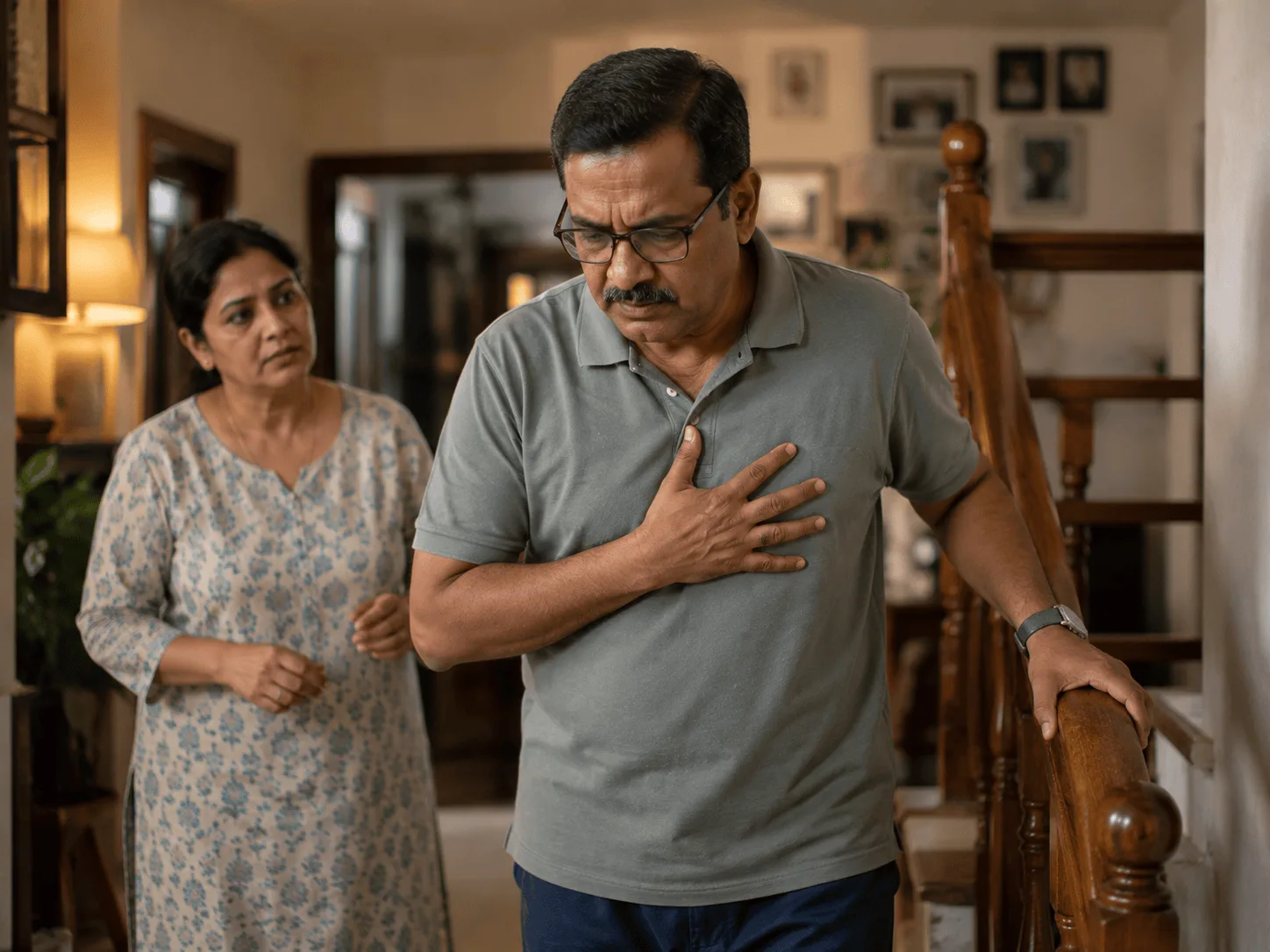
Classic heart pain (angina, or a heart attack in progress) has a known character. It feels like pressure, tightness, squeezing or heaviness. Patients say "like a weight on the chest". It is more of a press than a sharp stab. It sits in the centre or slightly to the left. It may spread to the left arm, both arms, the jaw, neck, back or upper stomach. It often comes with effort, strong emotion or after a heavy meal. In a heart attack it lasts beyond a few minutes. Sweating, breathlessness, nausea or a strange sense of doom often come with it.
Three Indian realities sharpen this picture. Heart disease strikes Indians nearly a decade earlier than Western populations. So the forties are not too young. With a strong family history, neither are the thirties. Diabetics may feel far less pain. Sometimes there is only breathlessness, sweating or sudden weakness. These are "silent" attacks. And women's heart attacks more often skip the textbook. Unusual tiredness, jaw or back discomfort, breathlessness. Families dismiss these patterns exactly because they do not look filmi.
The response to suspected heart pain is not to watch and wait. Chew one aspirin if it is at hand and you are not allergic. Then reach the 24×7 emergency department at once. The first hour of a heart attack is called golden for a reason. Treatment within it saves the most muscle and the most lives. Wrong alarms are forgiven. Late arrivals often cannot be.
Chest pain causes beyond the heart: the lookalikes
Most chest pain, by the numbers, is not the heart. That is comfort, not permission to skip a check.
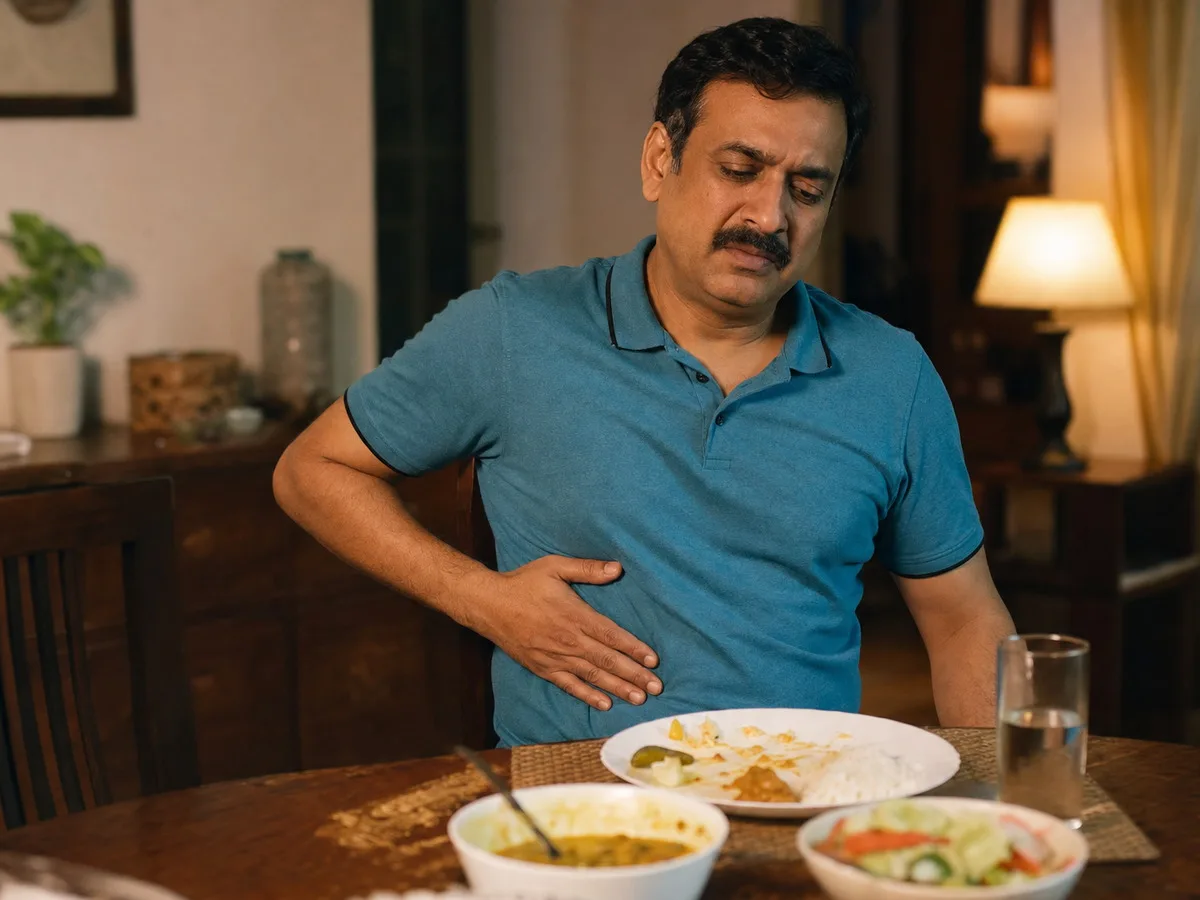
Acidity and reflux is the great imitator. It burns behind the breastbone. It is worse after spicy or late meals and on lying down. It often brings a sour taste. The overlap with heart pain is truly confusing. So here is the test: "gas" that comes with walking effort, sweating or breathlessness has failed the gas test. It has earned an ECG.
Muscle and rib-wall pain follows lifting, bouts of coughing or awkward sleep. Its signature is point tenderness. Pressing the spot brings the pain back. It also changes with movement or deep breaths. A long chronic cough can strain these muscles for weeks.
Anxiety and panic produce very real chest tightness. The heart races, the hands tingle, and fear takes over. This is a diagnosis reached after the heart is checked. Never instead of checking.
Lung causes bring sharp pain that worsens with each breath. Pleurisy, infection or a clot can do this. Fever or breathlessness usually comes along. Summer's heat emergencies add their own chest discomfort through dehydration and strain. Shingles, gallbladder pain and rib injuries fill out the list.
The five-minute triage every family should know
Go to emergency now if the chest pain has any of these features. It feels like pressure or heaviness. It spreads to the arm, jaw or back. It comes with sweating, breathlessness, nausea, fainting or palpitations. It arrived with effort. It lasts beyond ten minutes. Be extra careful in anyone over forty, or with diabetes or high blood pressure. The same goes for smokers and anyone with a family history of early heart disease.
A same-week OPD visit fits a different kind of pain. Pain that is clearly positional or tender to touch. Burning that reliably follows meals and eases with antacids. Brief twinges in a young person with no risk factors. But only if none of the red flags above ever join it.
The honest rule underneath is simple. Nobody should self-certify their own chest pain as harmless without at least one proper check. An ECG takes five minutes. A missed heart attack takes decades off a life.
How chest pain is checked: non-invasive cardiology
At the check, the work-up is step by step and painless. An ECG captures the heart's electrical signature in minutes. Cardiac blood markers detect injured heart muscle. A chest X-ray views the lungs and heart size. Echocardiography - an ultrasound of the heart - shows the pumping chambers and valves live on screen. This is non-invasive cardiology. No wires inside the body, no dye, and no admission needed for the tests themselves. Yet together they answer the question that matters. Where findings call for procedures beyond this scope, patients are stabilised and guided onward openly.
For those with risk factors and no symptoms, a periodic heart checkup in Sonipat is the smart move. It covers blood pressure, sugar, cholesterol, ECG, and echo where needed. It finds trouble at the stage where tablets and lifestyle still fix it. Prevention remains the only painless form of cardiology.
Chest pain care at Memorial Hospital, Sonipat
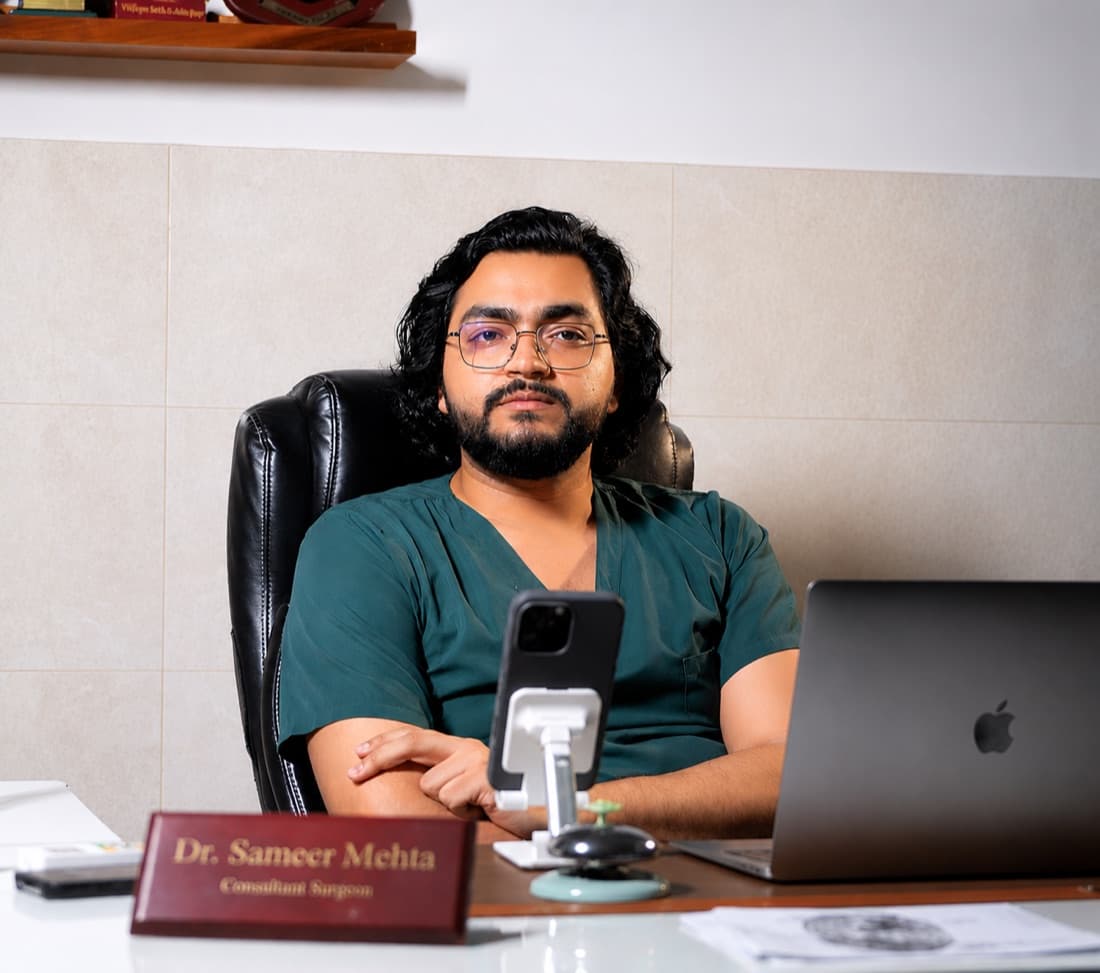
Chest pain at Memorial Hospital is met by the 24×7 emergency department. ECG, cardiac markers and monitoring begin on arrival. ICU and ventilator backup stand ready for the severe cases. Follow-up runs with Dr. Sameer Mehta, MBBS, MD, physician and critical-care specialist practising non-invasive cardiology - OPD daily 11 AM to 2 PM, plus 6 to 7 PM Monday to Saturday. ECG, echocardiography, X-ray and the full laboratory panel run in-house. So the answer to "was it my heart?" does not need a trip to Delhi.
Frequently asked questions
How do I know if my chest pain is heart-related or just gas?
Heart pain is usually pressure or heaviness that can spread to the arm, jaw or back. It often comes with sweating or breathlessness, and it does not care about antacids. Acidity burns, follows meals, and eases with antacids and sitting up. But the overlap is real - pain with effort, sweating or breathlessness needs an ECG today, whatever the stomach says.
What should I do first if someone has chest pain at home?
Sit them down and stop all activity. If heart-type features are present - pressure, spreading pain, sweating, breathlessness - give one aspirin to chew (if available and no allergy) and move at once to an emergency department. Do not drive yourself if you are alone and the pain is severe. Do not wait to "see if it passes", and note the time symptoms started.
What is non-invasive cardiology?
It is heart testing without entering the body: ECG, echocardiography (heart ultrasound), exercise-based tests and cardiac blood tests. It answers most chest-pain and risk questions - is the pumping normal, is there strain, was there damage - without wires or dye. It also guides who truly needs procedures beyond it.
Where can I get a heart checkup in Sonipat?
At Memorial Hospital. Dr. Sameer Mehta (MBBS, MD), practising non-invasive cardiology, runs OPD daily 11 AM to 2 PM and 6 to 7 PM Monday to Saturday. ECG, echo and full laboratory testing are in-house, with a 24×7 emergency for anything that cannot wait.
Never bet against your own heart
"It must be gas" is a fine conclusion - after an ECG, not instead of one. For ongoing symptoms or an overdue risk check, book a heart checkup. For chest pain right now, come straight to the 24×7 emergency. This article is general information and not a substitute for a consultation.
Medically reviewed by Dr. Sameer Mehta, MBBS, MD (General Medicine & Critical Care), Memorial Hospital, Sonipat.
Related specialty: General Medicine
Editorial note: This article is for general information and is not a substitute for personal medical advice. Please consult a qualified doctor about your specific symptoms. Last updated on 15 August 2026.