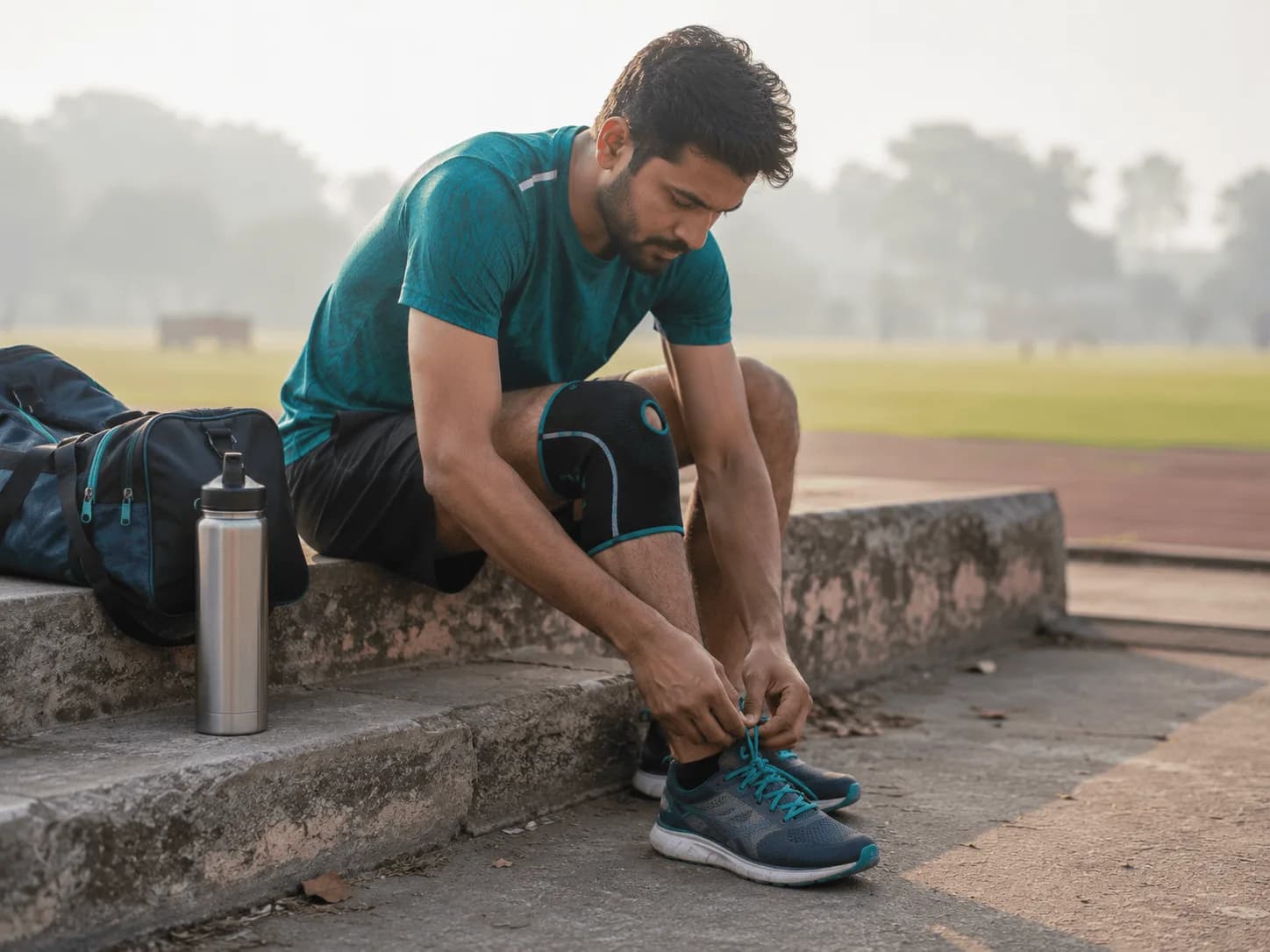
The story usually starts on a field or a bike. A sudden twist, a loud pop, and a knee that swells by evening. After that, the knee never quite trusts itself again. A generation ago, fixing the damage meant opening the joint. Today, arthroscopy surgery - keyhole surgery for joints - repairs torn ligaments and cartilage through cuts smaller than a one-rupee coin. This guide is from our orthopaedic surgery team in Sonipat. It explains what arthroscopy is, which injuries it treats, and what the road back to sport honestly looks like.
What arthroscopy surgery actually is
An arthroscope is a pencil-thin camera. It goes in through one tiny cut. On a screen, it shows the surgeon the inside of the joint, magnified and in sharp detail. Through one or two more tiny cuts, fine tools trim, stitch or rebuild the damaged parts. There is no large opening. Healthy tissue is barely disturbed.
The gap between this and open surgery matters to patients. The scars are much smaller. There is less pain after the operation. The risk of infection is lower. The hospital stay is shorter - often a single day. And rehab starts sooner, which is where results are really made. The knee is the joint most often treated this way. The shoulder comes next. Ankles, elbows and hips have their own uses too.
The injuries arthroscopy treats
ACL injury leads the list. The anterior cruciate ligament is the knee's central stabiliser. It tears during sudden twists, jumps and changes of direction. In our region, kabaddi, football, cricket fielding and two-wheeler accidents supply most cases. The signs are a pop at the moment of injury, fast swelling, and later a knee that "gives way" on turning. A torn ACL does not heal on its own. In active people, it is rebuilt through the keyhole using a graft of the patient's own tendon. The graft is anchored where the old ligament stood.
Meniscus tears are damage to the knee's C-shaped shock absorbers. They cause catching, locking and pain along the joint line. Arthroscopy either stitches the tear or trims the frayed part. Stitching saves the cushion, so we prefer it in the young. Trimming is done where repair is not possible. Meniscus problems also show up without any sport. We covered that in knee pain in your 40s and 50s.
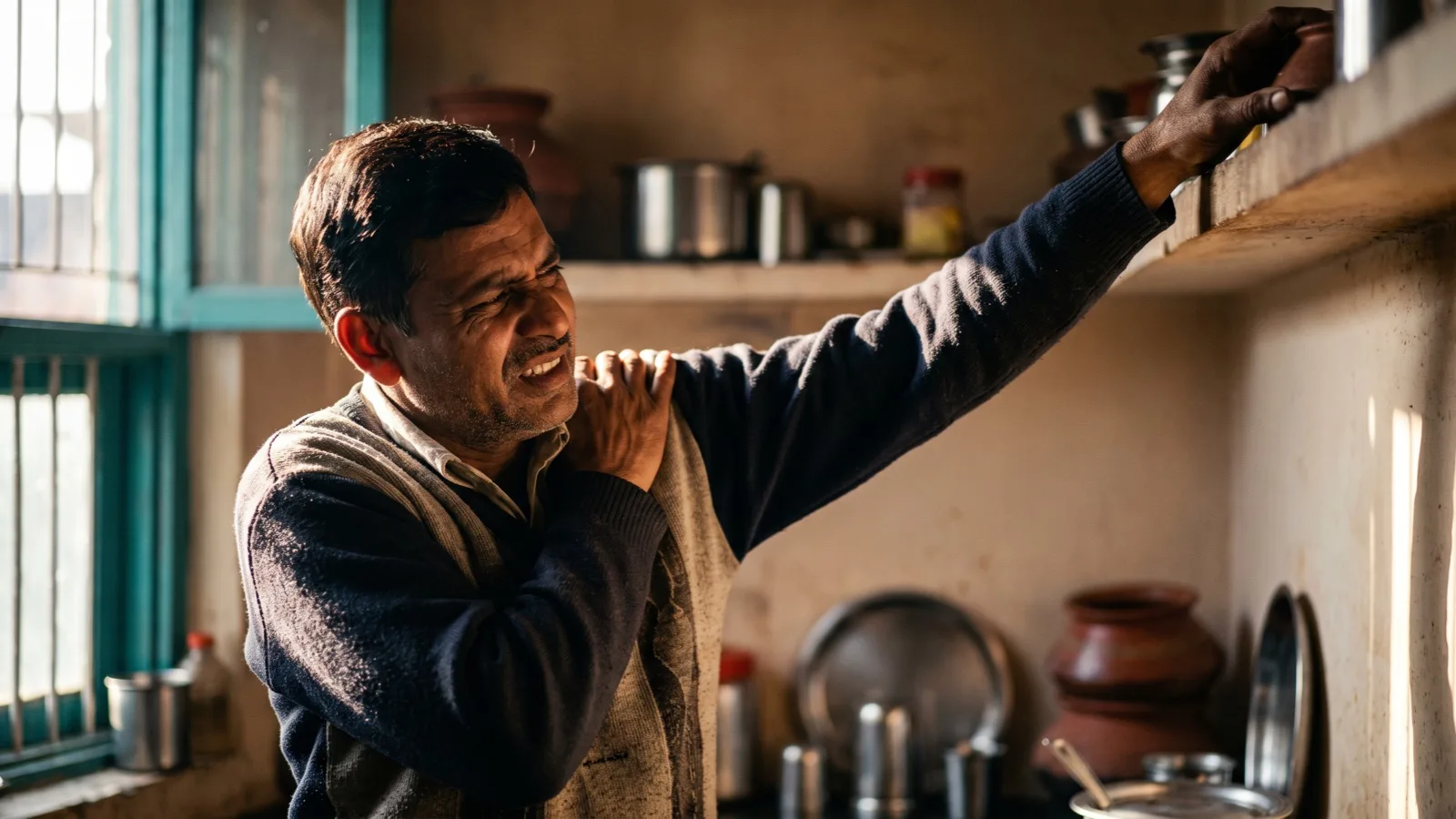
Shoulder problems are the second big family. These are mostly repeat dislocations and rotator cuff tears. The torn tissue that should hold the joint is stitched back to bone through the keyhole. A shoulder that pops out with a stretch becomes one that stays put.
Other uses include removing loose bits of cartilage that jam a joint. Early cartilage damage can be treated. Some joint infections can be washed out this way as well.
Do all ligament tears need surgery?
No - and an honest surgeon says so early. Partial tears, quiet lifestyles and stable knees often do well with proper physiotherapy alone. Braces and a change in activity carry some patients in comfort for years. So ligament tear treatment in Sonipat should start with a proper check - an examination plus an MRI. Then comes a frank talk about your age, sport, work and goals. Surgery earns its place when the joint keeps giving way. A knee that buckles on stairs or turns. A shoulder that slips out again and again. Delaying a repair that is truly needed quietly damages cartilage. Each giving-way episode grinds surfaces that do not regrow. That is how untreated instability feeds the arthritis that ends in knee replacement decades early.
What the arthroscopy journey looks like
Before: an MRI maps the damage. Basic fitness tests clear you for anaesthesia. Then "prehab" - a week or two of swelling control and muscle work - clearly smooths recovery. Bring your sports history and goals to this talk. The plan for a district-level footballer differs from the plan for a morning walker. A good surgeon designs for your life, not for a textbook.
The operation is usually done under spinal or general anaesthesia. It commonly takes 30 to 90 minutes. Many patients walk with support the same day. Most go home within 24 hours.
After - the part that decides everything - comes rehab. An ACL repair means a phased programme. The early weeks restore motion and quiet walking. Months two to four rebuild strength. Return to cutting sports comes only after strength and control testing, commonly six to nine months after surgery. The surgeon's stitches set the stage. The physiotherapy programme delivers the result. Patients who respect the timeline return to sport. Patients who rush it return to the operating theatre.
Common worries, answered honestly
"Will the knee ever be the same?" After a well-done repair and completed rehab, most people return to their sport and daily life with confidence. What protects the joint long-term is finishing the strength programme, not the operation alone.
"Am I too old for arthroscopy?" Age matters less than the problem and how active you need to be. A locked knee from a shifted meniscus tear deserves treatment at fifty-five as much as at twenty-five. On the other hand, worn fraying in an arthritic knee often responds better to exercise therapy than to any camera. Honest case selection, not a love of surgery, is what defines good orthopaedics.
"Is the graft weaker than the original?" A healed graft with full rehab is strong enough for competitive sport. Re-tear risk is driven mainly by two things. Returning before strength testing says you are ready. And skipping the landing-control training that rehab includes.
Arthroscopy at Memorial Hospital, Sonipat
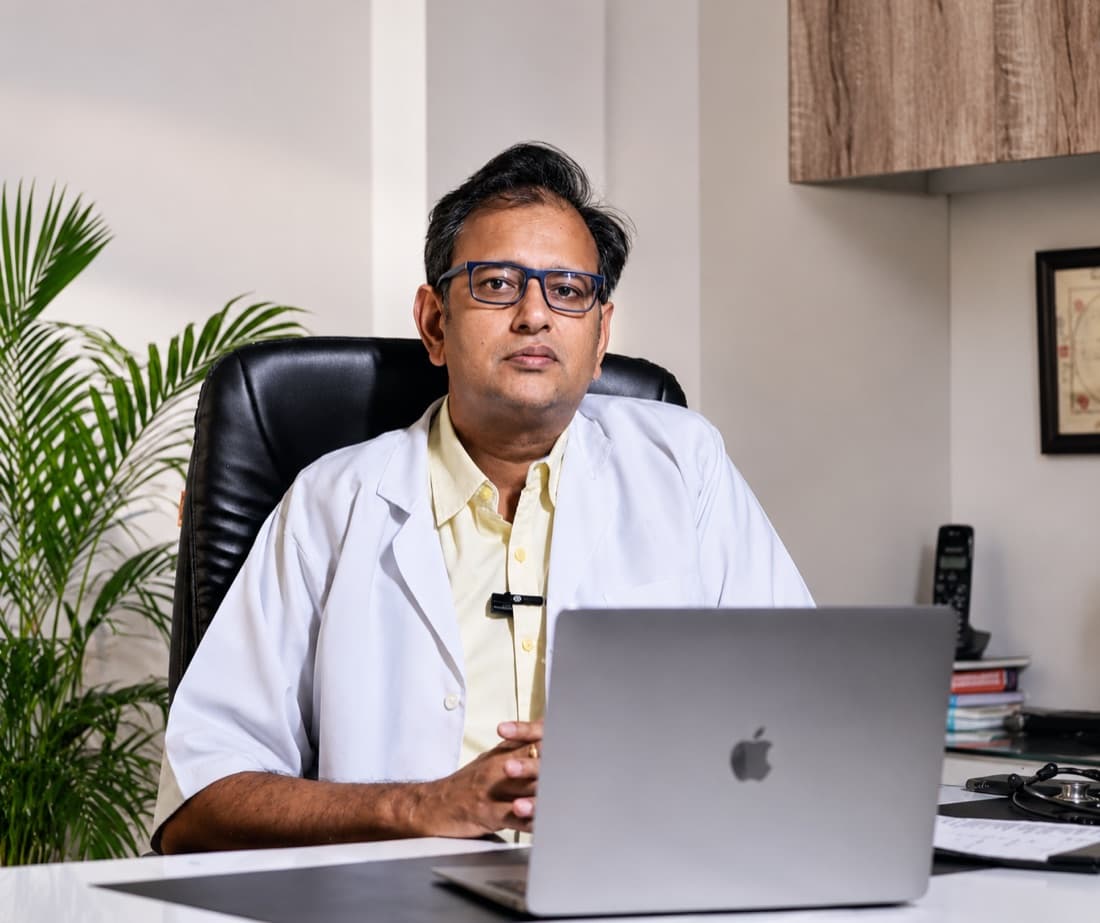
Arthroscopic procedures at Memorial Hospital are performed by Dr. Gaurav Singhla, MBBS, MS (Orthopaedics), FHKR. He is an orthopaedic surgeon with fellowship training in arthroscopy and joint replacement from Toronto, Canada. Assessment, X-ray and MRI coordination, surgery in the modular operation theatre, and the phased rehab programme are all under one roof. Please call the hospital for current OPD timings and to plan a consultation. Sports injuries with severe swelling or a locked joint are seen through the 24×7 emergency department.
Frequently asked questions
Is arthroscopy a major surgery?
It is real surgery done through keyhole cuts. It is serious enough to deserve a skilled surgeon. It is minor enough that most patients walk the same day and go home within 24 hours. Pain, scarring and infection risk are all far lower than with open joint surgery, and rehab starts almost at once.
How do I know if I have an ACL injury?
The classic sequence is a twist or landing, a loud pop, and swelling within hours. After things settle, the knee gives way on turning or stairs. An examination by an orthopaedic surgeon plus an MRI confirms it. Early diagnosis protects the cartilage even if you and your surgeon choose rehab over repair.
How long is recovery after arthroscopy?
Simple procedures like meniscus trimming: back to desk work within days and most activities in a few weeks. Ligament repairs: phased rehab over months. Return to competitive sport is typically at six to nine months, after strength testing. The physiotherapy programme, not the wound, sets the timetable.
Where can I get ligament tear treatment in Sonipat?
At Memorial Hospital, Dr. Gaurav Singhla (MBBS, MS Orthopaedics, FHKR Canada) assesses and treats ligament and cartilage injuries. He is fellowship-trained in arthroscopy. Care ranges from structured physiotherapy to keyhole reconstruction. Call the hospital for current OPD timings.
Get the knee you trusted back
An unstable joint rarely improves by being ignored. The comeback starts with an accurate diagnosis. Call Memorial Hospital for Dr. Singhla's current OPD timings, or send an appointment request online. This article is general information and not a substitute for a consultation.
Medically reviewed by Dr. Gaurav Singhla, MBBS, MS (Orthopaedics), FHKR (Canada), Memorial Hospital, Sonipat.
Related specialty: Orthopaedics & Joint Replacement
Editorial note: This article is for general information and is not a substitute for personal medical advice. Please consult a qualified doctor about your specific symptoms. Last updated on 15 August 2026.