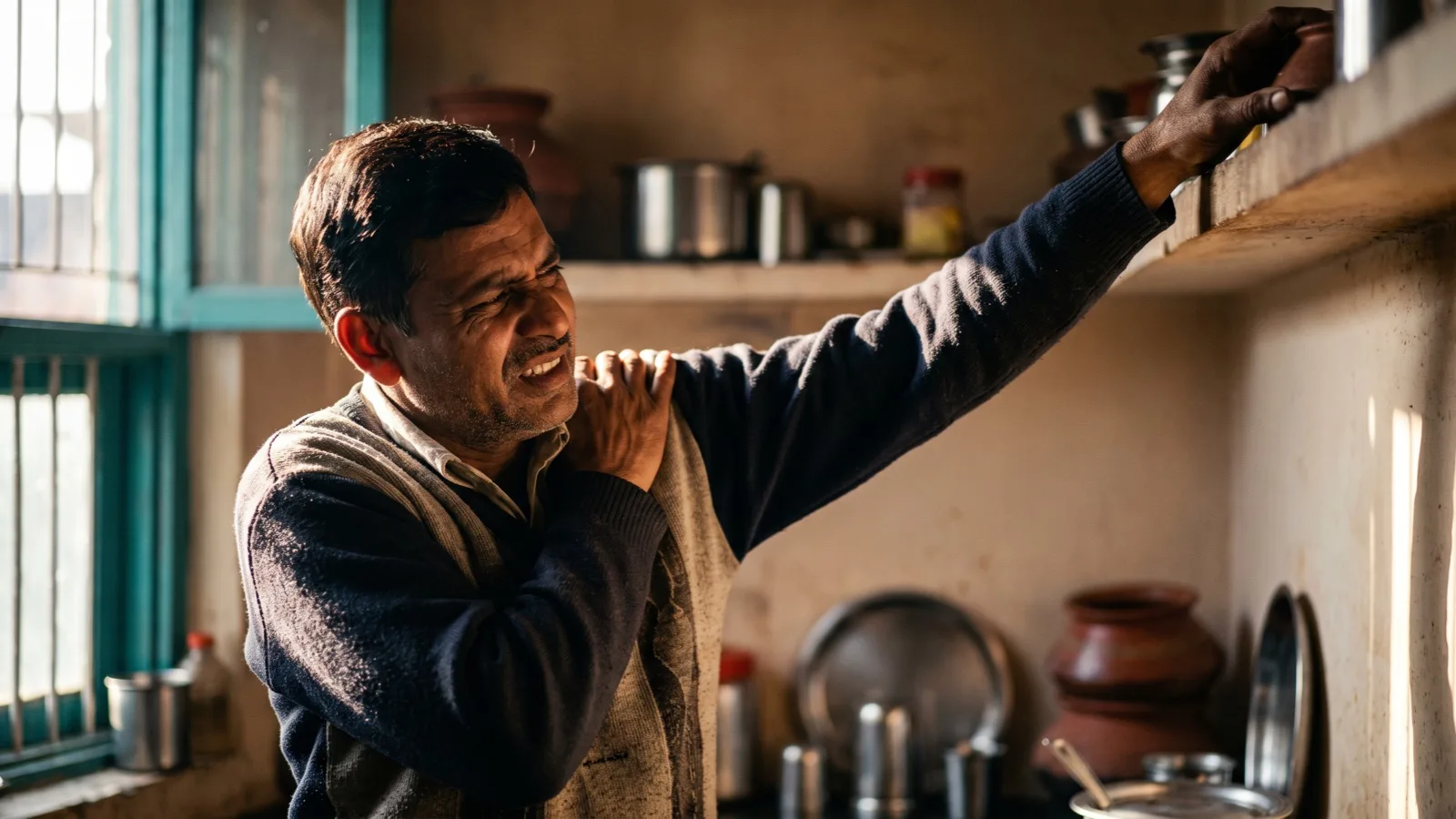



Many people in Sonipat live with severe knee arthritis. Every day is shaped around the pain. Stairs are a struggle. The market is avoided. Nights are spent awake. When simple treatments stop working, a knee replacement can change your life. It eases the pain and brings back movement. But it is a big step, and it is not for everyone. This guide is from our orthopaedics and joint replacement department in Sonipat. It explains who truly needs a knee replacement in Sonipat, what the surgery involves, and what recovery really looks like.
What is a knee replacement?
A knee replacement is also called knee arthroplasty. It is an operation on the worn, damaged surfaces of the knee joint. The surgeon removes them and fits smooth new surfaces in their place. These are made of metal and medical-grade plastic. The new surfaces let the joint move freely again. There is no more bone-on-bone grinding, which is what causes arthritis pain. Knee replacement surgery is one of the most successful and well-proven operations in modern orthopaedics. Most people who have it are very glad they did.
Who needs a knee replacement?
A knee replacement is considered when knee arthritis is advanced and is badly affecting daily life. It comes only after non-surgical treatments have had a fair trial. There are typical signs that someone may benefit. Constant or severe knee pain, including pain at rest or at night. Trouble walking, climbing stairs or getting up from a chair. Stiffness, and a knee that has become bent or bow-shaped. Pain that medicine, physiotherapy and injections no longer control.
Just as importantly, surgery is not the first step. Many people with knee pain do not need a replacement at all. They need an accurate diagnosis and good non-surgical care. The decision is always made together with the surgeon. It is based on your X-rays, your symptoms and how much the problem limits your life.
How is knee arthritis diagnosed?
Knee arthritis is usually diagnosed from your history, an examination of the knee, and an X-ray. The X-ray shows how much of the protective cartilage has worn away. It also shows how much space is left in the joint. In advanced arthritis the bones may be almost touching. Your surgeon will also check your walking. They will check how far the knee bends and how the leg lines up. Now and then, further scans are arranged. This assessment is combined with how much pain and disability you live with day to day. That is what guides the advice on whether a replacement would truly help you.
What non-surgical options come first?
Before surgery is considered, most knee arthritis is managed in simpler ways. Weight management comes first. Even modest weight loss reduces the load on the knees. Physiotherapy strengthens the muscles around the joint. Pain-relieving and anti-inflammatory medicine helps. So does changing how you do daily activities. Sometimes joint injections are used. For many patients these measures control symptoms well for years. Surgery is kept for when they no longer give enough relief.
What does knee replacement surgery in Sonipat involve?
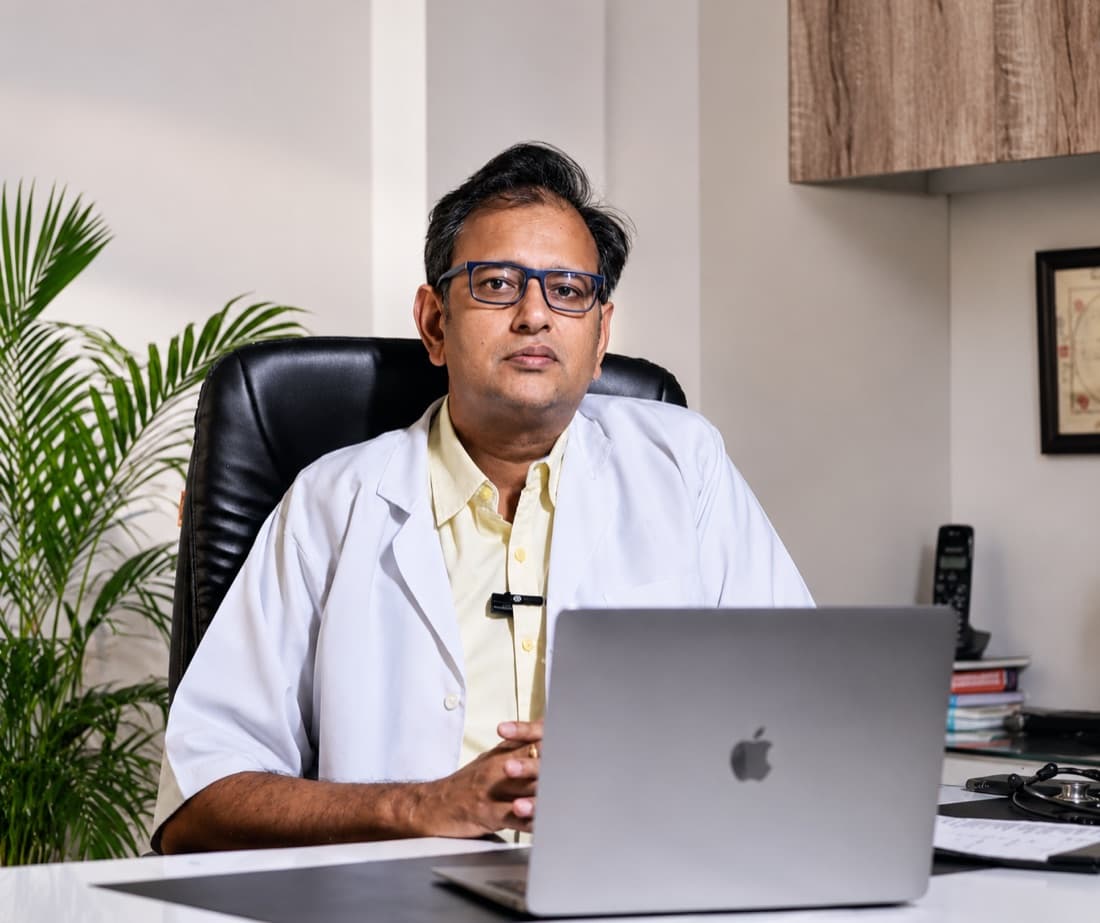
A knee replacement is done under anaesthesia. It usually takes one to two hours. The surgeon removes the damaged surfaces and fits the artificial parts with care. The aim is a leg that lines up correctly and moves smoothly. At Memorial Hospital, Sonipat, joint replacement is performed by Dr. Gaurav Singhla (MS Orthopaedics). He has fellowship training in joint replacement and arthroscopy, including a fellowship in Toronto, Canada. The hospital has modular operation theatres. It also has on-site X-ray and laboratory support.
Preparing for surgery
A little preparation makes recovery smoother. Your team will check your general health first. Conditions such as diabetes and blood pressure are brought under control before surgery. Stay as active as you can beforehand. Strengthen the muscles around the knee with physiotherapy. This helps you bounce back faster afterwards. It is also worth preparing your home. Think of a firm chair, a clear path to the bathroom, and any walking aids your team recommends. Stopping smoking, even for a few weeks, improves healing. Your surgeon will explain the whole plan before the day of surgery. Ask every question you have.
What to expect during recovery
Recovery is gradual but steady. Physiotherapy is central to it. Most patients are helped to stand and take a few steps with support within a day or two of surgery. Over the next few days you will usually walk longer distances. Physiotherapy continues after you go home. It rebuilds strength and bend. Many people are walking comfortably and managing stairs within a few weeks. Improvement continues over several months. Your team will guide you on when you can return to specific activities. Some discomfort and swelling early on is normal. It settles with time and exercises. Sticking closely to your physiotherapy programme is the single biggest factor in a good result. The work you put in over the first weeks largely decides how well, and how quickly, the new knee serves you.
Is it safe? Understanding the risks
Knee replacement is a common, well-proven and generally very safe operation. The vast majority of patients do well. As with any surgery there are small risks, such as infection, blood clots or stiffness. Your team takes specific steps to prevent each of them. These range from antibiotics to early walking and clot-prevention measures. Being treated in a hospital with modular operation theatres, on-site diagnostics and 24×7 cover adds a real layer of safety. That is what Memorial Hospital offers. Your surgeon will discuss the risks honestly with you, alongside the benefits. That way you can make a fully informed decision.
How long does a knee replacement last?
Modern knee replacements are durable. The great majority keep working well for many years. Keeping to a healthy weight helps the new joint last. So does staying active in low-impact ways, and following your surgeon's advice. For most people the trade is simple. An artificial joint lets them live without constant pain.
Related reading from our orthopaedic team: what helps knee pain in your 40s and 50s before replacement is ever needed, how arthroscopy (keyhole surgery) treats ligament and cartilage injuries, and why joint pain worsens in the rainy season.
Frequently asked questions
Is knee replacement available in Sonipat?
Yes. Dr. Gaurav Singhla (MS Orthopaedics, with joint-replacement and arthroscopy fellowship training in Toronto, Canada) performs knee and hip replacement at Memorial Hospital, Sonipat. Please call the hospital for current OPD timings and to plan a consultation.
How do I know if I really need a knee replacement?
You may be a candidate if knee arthritis pain is constant or stops you sleeping. Other signs are trouble walking or climbing stairs, and non-surgical treatments that no longer help. The surgeon decides with you after reviewing your X-rays and symptoms. Many people with knee pain do not need surgery.
How long does recovery take?
Most patients walk with support within a day or two. They manage stairs within a few weeks. They keep improving over several months with physiotherapy. Recovery varies from person to person, and your team will give you a plan suited to you.
Is the surgery painful?
The operation is done under anaesthesia, so you feel nothing during it. There is some pain afterwards. It is managed with medicine and eases as you heal. It is usually far less than the constant arthritis pain it replaces.
Take the next step
If knee pain is taking over your life, an assessment can help. It can tell you whether simple treatments will work, or whether a replacement is worth considering. Learn more about our knee replacement and orthopaedic care in Sonipat. Or call the hospital for OPD timings to consult Dr. Gaurav Singhla, MBBS, MS (Orthopaedics), FHKR. This article is general information and not a substitute for a consultation.
Medically reviewed by Dr. Gaurav Singhla, MBBS, MS (Orthopaedics), FHKR (Canada), Memorial Hospital, Sonipat.
Related specialty: Orthopaedics & Joint Replacement
Editorial note: This article is for general information and is not a substitute for personal medical advice. Please consult a qualified doctor about your specific symptoms. Last updated on 28 August 2026.