



A period that visits every two or three months. Weight that clings no matter how you diet. Acne and facial hair that outlasted the teenage years. For lakhs of young Indian women, these threads share one knot: polycystic ovary syndrome, or PCOS. Once you understand PCOS symptoms, treatment options and the long-term picture, a confusing condition becomes a manageable one. This guide from our women's health department in Sonipat lays it out plainly.
What PCOS actually is
PCOS is a hormone imbalance. It is not a disease of "cysts" - the name misleads. The ovaries make slightly more male-type hormones (androgens) than usual. At the same time, the body often handles insulin poorly. Together, these upset the monthly rhythm of egg release. The "cysts" seen on ultrasound are just many small, paused egg follicles. They are not tumours, not dangerous, and not something to be removed.
PCOS is very common. Estimates in India suggest roughly one in five young women has some form of it. It also runs in families. Nobody causes their own PCOS. Lifestyle shapes it, but the tendency is inherited. Does your mother or sister have PCOS, thyroid trouble or early diabetes? Say so at your visit. Family history sharpens both diagnosis and prevention. A thyroid check belongs in the same work-up.
PCOS symptoms: the pattern to recognise
Irregular periods lead the list. Cycles longer than 35 days. Fewer than eight or nine periods a year. Months with no period at all, or heavy, unpredictable bleeding when one does arrive. There are several irregular periods causes: thyroid problems, stress, sudden weight change, and too much exercise. But PCOS is the most common cause in young women. That is why we test rather than guess.
The androgen effects form the second thread. Acne that persists well past the teens. Coarse dark hair on the face, chest or belly (this is called hirsutism). Thinning of scalp hair. The metabolic thread completes the picture. Weight gathers around the waist and resists effort. Dark, velvety skin patches appear at the neck and underarms - a marker of insulin resistance. Energy dips after meals.
Not every woman has every feature. PCOS wears different faces. That is why so many cases go unrecognised for years.
How PCOS is diagnosed
There is no single "PCOS test". Diagnosis rests on a combination: your cycle history, an examination, and hormone blood tests, including thyroid and prolactin, to rule out the mimics. A pelvic ultrasound completes it. Sugar and cholesterol tests complete the metabolic picture. At Memorial Hospital, this work-up runs in-house, usually within a single OPD visit. That matters. "Irregular periods, must be PCOS" without testing misses thyroid disease and other treatable causes.
PCOS symptoms treatment: the honest, effective version
PCOS treatment is a long game played on three boards. We tailor it to what bothers you most - cycles, skin, weight or fertility.
Lifestyle is truly first-line, not a brush-off. A five to ten percent drop in weight restores ovulation and regularises cycles in many women. What works is unglamorous. Regular meals built around home food, with refined carbs and sugar kept in check. Thirty to 45 minutes of brisk activity most days, plus strength work twice a week. And guarded sleep - late nights measurably worsen the hormones involved.
Medicines target specific goals. Cycle-regulating treatment protects the womb lining when periods are too infrequent. Anti-androgen approaches calm acne and unwanted hair over months. Insulin-sensitising medicines help selected women with the metabolic side. None are lifelong sentences. Treatment is reviewed and adjusted as your body and goals change.
Fertility support, when the time comes, is quietly successful. Ovulation-inducing treatment helps a large share of women with PCOS conceive. Once pregnant, standard antenatal care with early sugar screening keeps things on track. That runs right through to planning a healthy delivery.
Myths worth clearing early
A few stubborn beliefs rob young women of years of timely care. Let us retire them. "The cysts must be operated." No. The follicles seen on ultrasound are not surgical cysts. PCOS is almost never treated by removing anything. "Marriage will fix the periods." Hormones do not read wedding cards. Untreated PCOS simply travels into the marriage, now with fertility pressure attached. "Only overweight women get PCOS." Lean PCOS is common. Thin women with irregular cycles deserve the same testing. "Home remedies alone will cure it." Kitchen habits help exactly as far as they improve weight and insulin handling, and no further.
One truly useful home tool does exist: a period-tracking diary or app. Six months of dates, flow notes and symptoms gives your gynaecologist a head start no blood test can replace. It turns vague worry into concrete data.
Why managing PCOS matters beyond periods
Unmanaged PCOS raises some long-term risks. They are worth naming without drama. Type 2 diabetes. Blood pressure and cholesterol problems. And, when periods stay very infrequent for years, thickening of the womb lining. Managed PCOS shrinks each of these risks a great deal. A yearly review of weight, sugar and blood pressure is the quiet habit that pays for decades. The emotional side deserves the same respect. Acne, hair changes and fertility worry take a real toll. A doctor who treats that seriously is part of the treatment.
PCOS care at Memorial Hospital, Sonipat
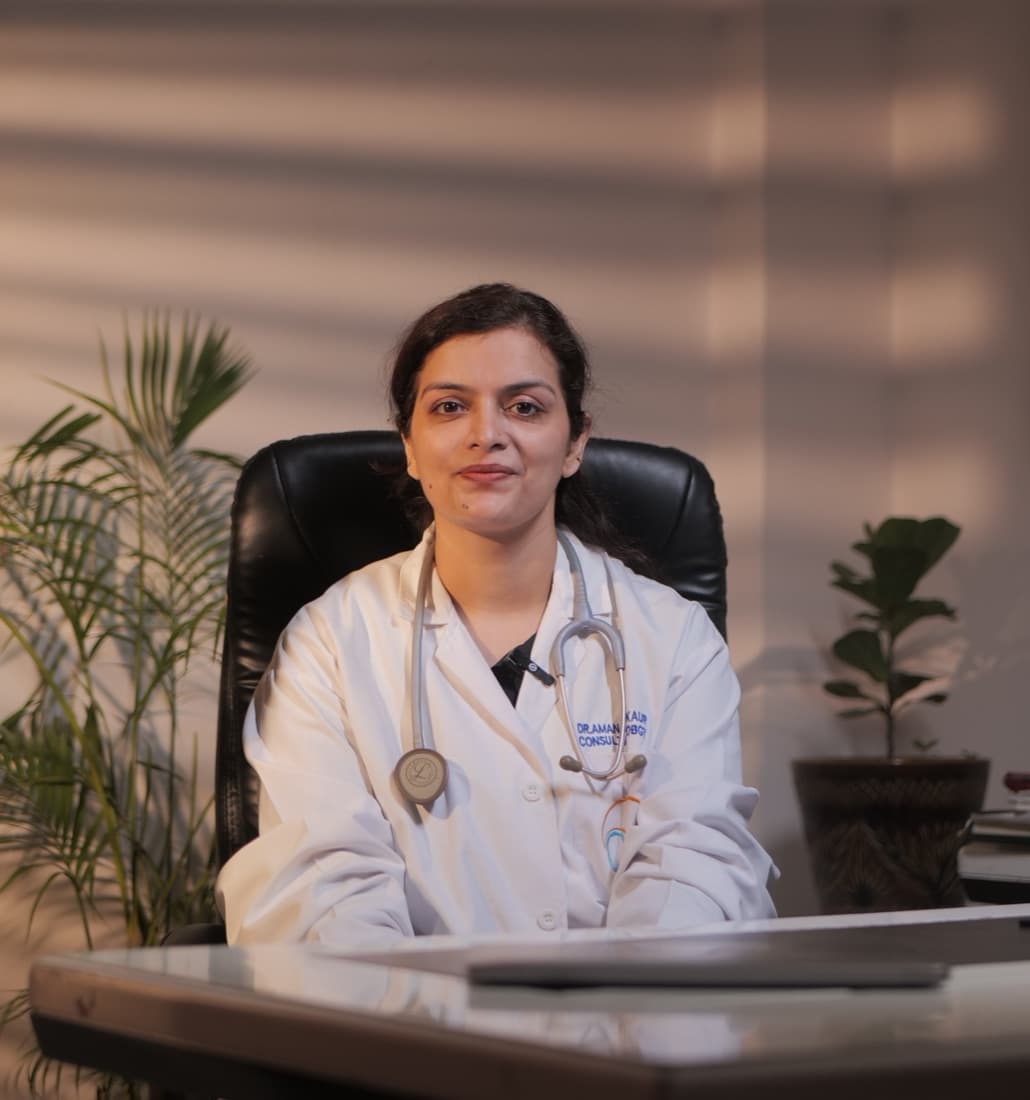
Women looking for a PCOS doctor in Sonipat are seen by Dr. Amandeep Kaur, MBBS, MD (Obstetrics & Gynaecology), an experienced lady gynaecologist. Her OPD runs all seven days: Monday to Saturday 10 AM to 2 PM, Sunday 11 AM to 2 PM. Hormone testing, ultrasound and metabolic screening run in-house. Treatment is tailored to your current priority - cycles, skin, weight or pregnancy. Follow-up stays with the same doctor as your goals evolve over the years.
Frequently asked questions
Are irregular periods always PCOS?
No. Thyroid problems, high prolactin, stress, sudden weight changes and over-exercise all disturb cycles too. PCOS is the most common cause in young women. But the diagnosis needs the full picture - history, hormone tests and ultrasound - so the mimics are not missed and mistreated.
Can PCOS be cured permanently?
PCOS is managed, not cured. Managed well, it fades into the background of life. Cycles regularise, skin settles, weight responds, pregnancies happen, and long-term risks shrink. Treatment adjusts with your goals across the years. That is why one trusted gynaecologist beats five one-off visits.
Can I get pregnant with PCOS?
Very likely, yes. PCOS delays conception for many women rather than preventing it. Ovulation-inducing treatment succeeds for a large share of those who need help. Getting your weight in a good range before trying helps. So does early antenatal booking with sugar screening once pregnant.
Which doctor should I see for PCOS in Sonipat?
A gynaecologist. At Memorial Hospital, Dr. Amandeep Kaur (MBBS, MD) runs a seven-day OPD - Monday to Saturday 10 AM to 2 PM, Sunday 11 AM to 2 PM. Hormone, ultrasound and metabolic testing are in-house. PCOS management is long-term and goal-based.
Start the long game now
PCOS rewards early, steady management. It punishes years of "it will settle by itself". Book a gynaecology OPD appointment - the OPD runs every day of the week - and put a proper plan behind your health. This article is general information and not a substitute for a consultation.
Medically reviewed by Dr. Amandeep Kaur, MBBS, MD (Obstetrics & Gynaecology), Memorial Hospital, Sonipat.
Related specialty: Obstetrics & Gynaecology
Editorial note: This article is for general information and is not a substitute for personal medical advice. Please consult a qualified doctor about your specific symptoms. Last updated on 27 August 2026.