

Every woman who lives long enough goes through it. Yet menopause may be the least talked about part of life in Indian homes. It is borne quietly, behind polite words, while hot flushes break up the kitchen work and sleep snaps at 3 AM. This deserves better. Most of the trouble in these years answers well to simple, proven care. This guide to menopause symptoms and management comes from our women's health team in Sonipat. It explains what is really going on, what truly helps, and which signs must never be filed under "just menopause".
What menopause actually is
Menopause is a diagnosis you make looking back. It means twelve months in a row with no period. For most Indian women it lands around 46 to 50. That is a little earlier than Western averages.
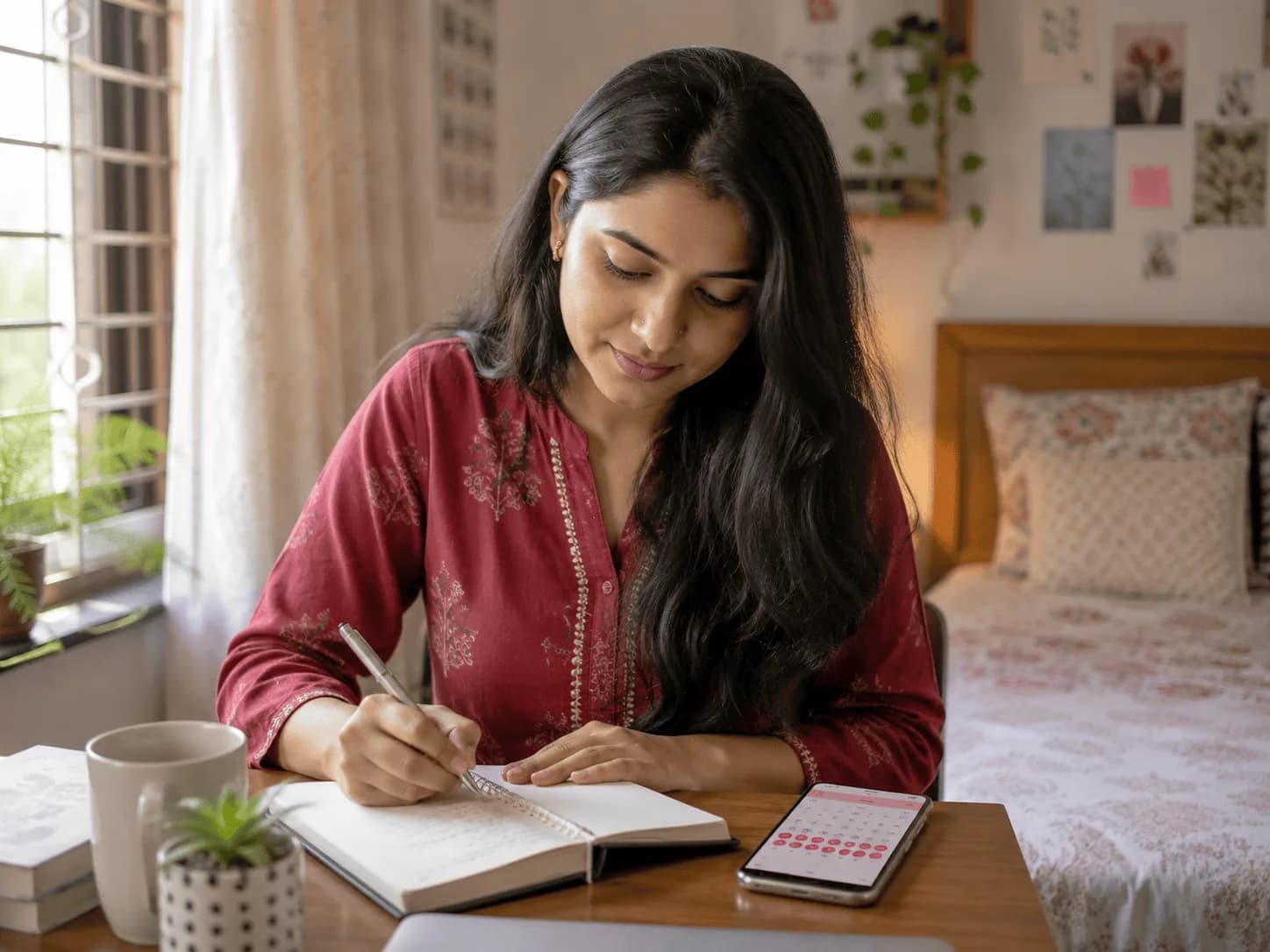
The years before it are called perimenopause. That is usually the bumpier stretch. The ovaries wind down unevenly. The hormone changes after 45 swing rather than fade. So periods turn odd - closer, farther, lighter, sometimes heavier. Symptoms surge and settle with no clear pattern.
Some women need a proper look rather than a guess. That includes women who had the womb removed but kept their ovaries. It includes younger women whose cycles stop early. The same is true if your cycles were irregular decades ago because of PCOS.
The symptoms nobody should have to guess about
Hot flushes and night sweats are the signature. A wave of heat, flushing and sweat, over in a few minutes. Most women get them to some degree. At night they break sleep. Sleep frays even between the sweats.
Mood shifts come too - a short fuse, worry, flat days. That is real brain chemistry, not weak character. Brain fog is common as well: names, keys, why-did-I-open-this-cupboard moments. It almost always passes.
Dryness and pain during intimacy arrive quietly. Very few women bring them up. Falling oestrogen also thins the defences in the urinary tract. That is one reason urine infections that keep returning cluster at this age. Joints ache more. Weight drifts to the waist even when you eat the same.
Then the silent one: bone. Oestrogen used to guard the skeleton. In the first years after menopause, bone thins fastest. For some women that sets up a broken bone ten years later. Silent, and very much worth acting on.
Menopause symptoms and management: what really helps
Start with the basics. They are stronger medicine than they sound.
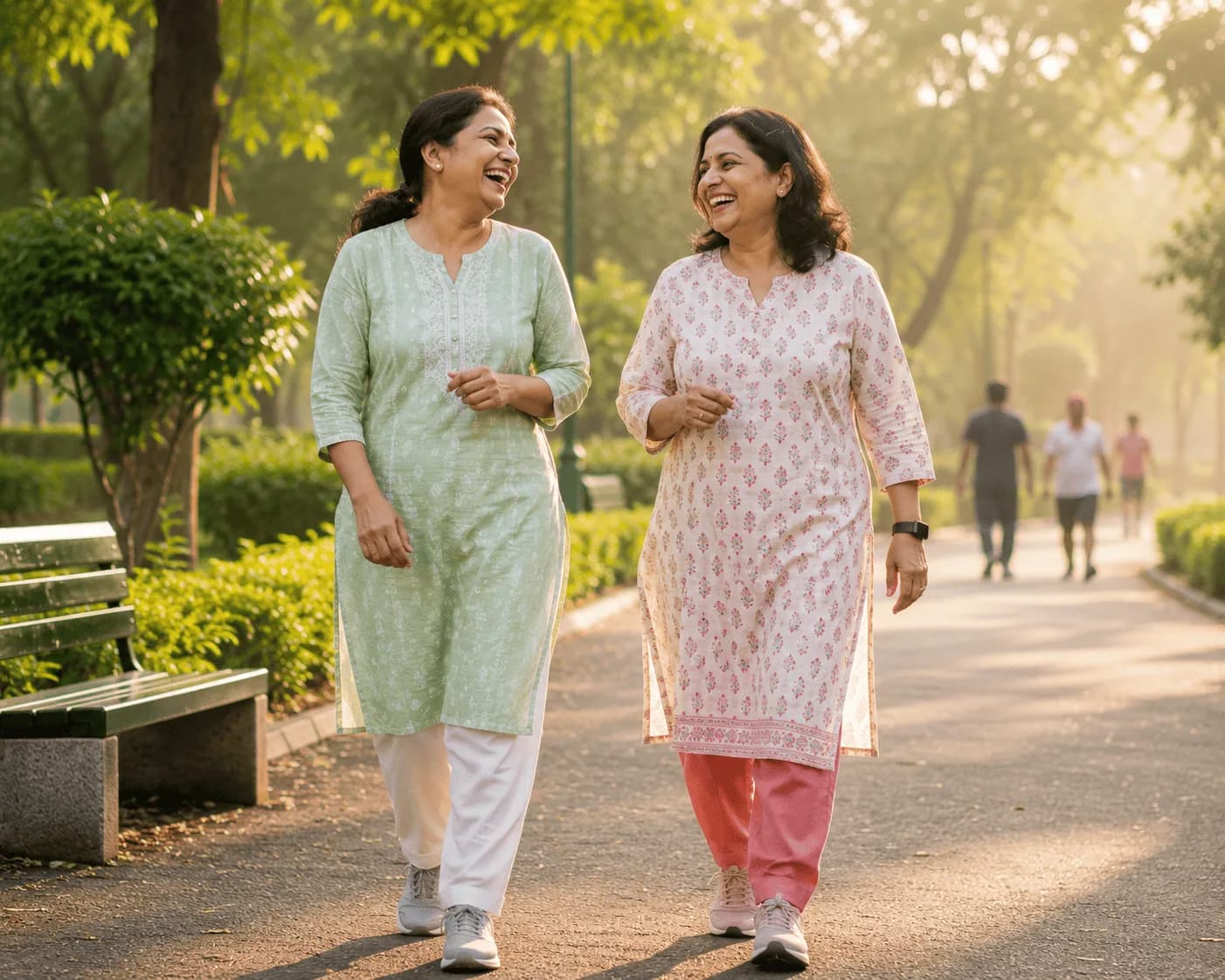
Movement comes first. Take a brisk walk each day, and add strength work twice a week - light weights, stairs, resistance bands. That one habit helps flushes, sleep, mood, weight and bone together.
Eat for your bones. Milk, curd, paneer, ragi and til all carry calcium. Vitamin D matters too, so get it checked and top it up if it is low, as it often is.
Handle flushes in practical ways. Wear cotton layers you can shed. Keep the bedroom cooler. Watch for your own triggers, such as very spicy food, alcohol, or a hot crowd.
Sleep rules earn their keep now. Fix your hours, eat a lighter dinner earlier, and keep screens out of the last hour.
Mood deserves talking about - with friends, with family, and with a doctor when it lingers. Low mood that stays for weeks can be treated. It is never a verdict on your character.
Now the medical shelf, which Indian women use far too rarely. Local vaginal oestrogen is a small cream or tablet dose that works where you put it. It transforms dryness, discomfort and repeat urine infections, and very little of it reaches the rest of the body.
Hormone therapy that works through the whole body is still the best treatment for severe flushes and night sweats. It suits some women and not others. Broadly, it fits women under 60, or within ten years of menopause, who have no special risk factors. Modern prescribing is careful and built around each woman. It is a fair, well-studied choice. Decide it case by case with a gynaecologist, not out of fear or fashion. Non-hormonal medicines help women who cannot take hormones, or would rather not.
Bone gets its own plan. That means a risk check, a bone-density scan where needed, steady calcium and vitamin D, and strength work. Some women also need specific bone medicines.
The family's part in an easier stretch
A word to husbands and grown children. Homes shape this passage more than clinics do. The short fuse is hormone weather, not a changed heart. Patience is a small ask and it helps a lot.
Practical help counts for more. Share the kitchen on bad flush days. Walk together in the mornings. Treat the doctor visit as plain healthcare, not drama.
And a word to mothers. Tell your daughters honestly what perimenopause feels like. That is a gift. The next generation should not have to guess either.
Not everything after 45 is menopause
This is the safety heart of the topic. Some signs need a gynaecologist soon, not "after the season". See one for any bleeding after twelve period-free months. That one always needs a check, every single time. See one for flooding-heavy or very long periods during perimenopause. See one for bleeding after intimacy, new severe pelvic pain, or weight loss you cannot explain.
Almost always the cause turns out to be harmless. But this age band is exactly when checks earn their keep. A proper check with an exam and a scan usually settles the matter in one visit.
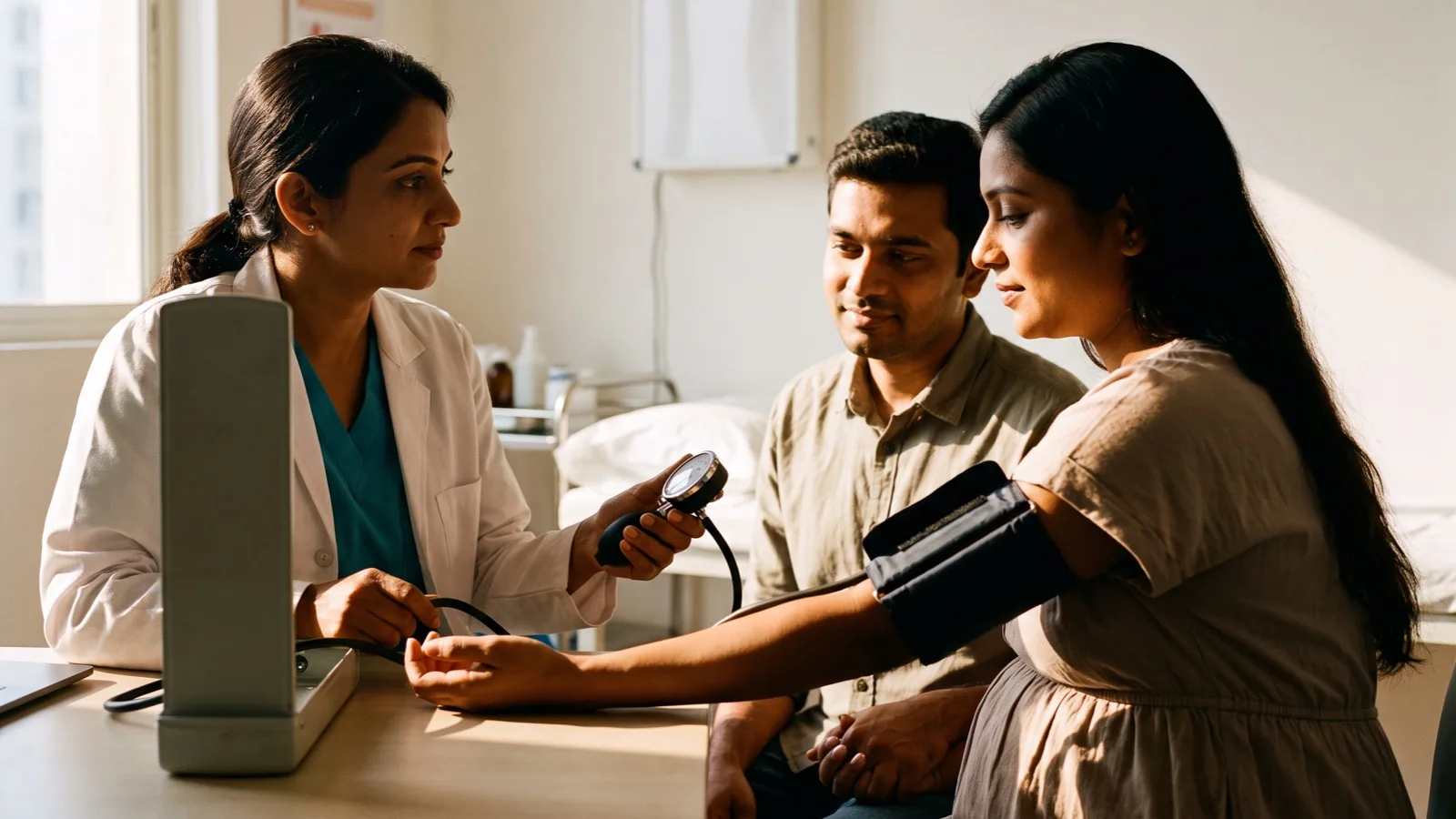
Perimenopause is also prime time for the boring, powerful screens: blood pressure, sugar, thyroid, and breast and cervical screening as advised. Thyroid trouble copies menopause symptoms beautifully, so it is worth ruling out.
Menopause care at Memorial Hospital, Sonipat
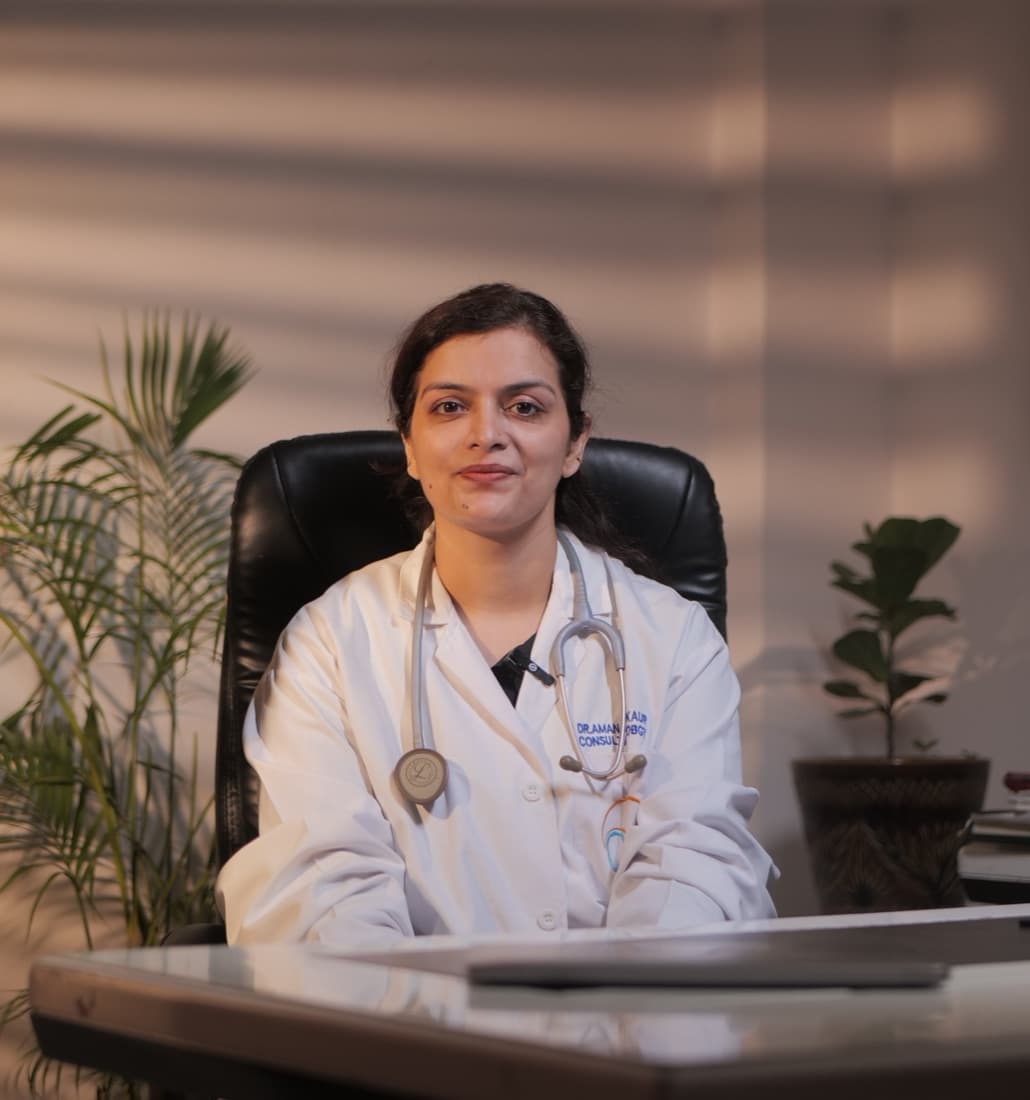
For menopause treatment in Sonipat, the door is a simple gynaecology consultation with Dr. Amandeep Kaur, MBBS, MD (Obstetrics & Gynaecology) - OPD every day of the week: Monday to Saturday 10 AM to 2 PM, Sunday 11 AM to 2 PM.
The check is unhurried and complete. We go through your symptoms, examine you, and do a scan. Lab work is done in-house in the same visit - thyroid, sugar, vitamin D and haemoglobin. Care is then built around you, drawn from the whole shelf. That runs from lifestyle scaffolding and local oestrogen to carefully chosen hormone therapy and bone protection. Follow-up treats this as the years-long journey it is, not a single prescription.
Frequently asked questions
At what age does menopause start in Indian women?
Most Indian women reach menopause between 46 and 50, a little earlier than Western averages. Perimenopause often begins several years before that. If your cycles stop before 40, get a proper check rather than assuming. Early menopause has its own causes and its own care.
What helps hot flushes without hormones?
Cotton layers, a cooler bedroom and spotting your triggers help many women. Spice, alcohol and a hot crowd are common triggers. Regular exercise and steady sleep hours also cut how often flushes come. If flushes stay disabling, non-hormonal prescriptions exist - and for suitable women, hormone therapy is still the most effective treatment.
Is bleeding after menopause normal?
No. Any bleeding after twelve period-free months needs a gynaecologist's check. That holds every time, even if it is slight, even if it stops. Most causes turn out to be harmless, but this is the one menopause rule with no exceptions. Early checks catch the serious causes that can still be treated.
Which doctor should I see for menopause problems in Sonipat?
A gynaecologist. Dr. Amandeep Kaur (MBBS, MD) at Memorial Hospital runs OPD all seven days - Monday to Saturday 10 AM to 2 PM, Sunday 11 AM to 2 PM. Exam, scan and lab testing are all in-house. Care is built around you, from lifestyle plans to hormone therapy and bone care.
This stage deserves a plan, not just patience
Your mother's generation put up with it. Yours can manage it. Have the flushes, the broken sleep, the mood or the quiet symptoms been running your days? Then book a gynaecology OPD appointment. The OPD runs every day of the week. Put a plan behind the next decade. This article is general information and not a substitute for a consultation.
Medically reviewed by Dr. Amandeep Kaur, MBBS, MD (Obstetrics & Gynaecology), Memorial Hospital, Sonipat.
Related specialty: Obstetrics & Gynaecology
Editorial note: This article is for general information and is not a substitute for personal medical advice. Please consult a qualified doctor about your specific symptoms. Last updated on 15 August 2026.