

Start with the sentence that matters most: TB is fully curable. Lakhs of Indians finish treatment every year and go back to normal lives. Yet in our towns, fear and whispers still delay the diagnosis more than the germ does. This is a straight-talking guide to TB symptoms and treatment from our chest and respiratory care in Sonipat team. It covers the signs to act on and how the cure really works. It also covers how long the cure takes, and why the stigma should die before the disease does.
What TB is - and how it really spreads
TB is an infection caused by a slow-growing germ. It most often attacks the lungs. It can also affect the lymph nodes, bones, the belly and other organs. It spreads through the air when a person with untreated lung TB coughs or sneezes. That word "untreated" is the key. Within a few weeks of starting proper treatment, most patients stop spreading the germ.
Just as important is how TB does not spread. Not by sharing food or plates. Not by touching, not by clothes, and not by sitting together. Keeping a family member's plate and glass apart is cruelty with no science behind it. What truly protects a home is airing the rooms, covering coughs, and finishing the treatment. Many Indians carry the germ quietly and never fall ill. Illness comes when immunity dips. That is why diabetes, poor nutrition, heavy smoking and heavy drinking all raise the risk of TB.
TB symptoms and treatment start with the signs
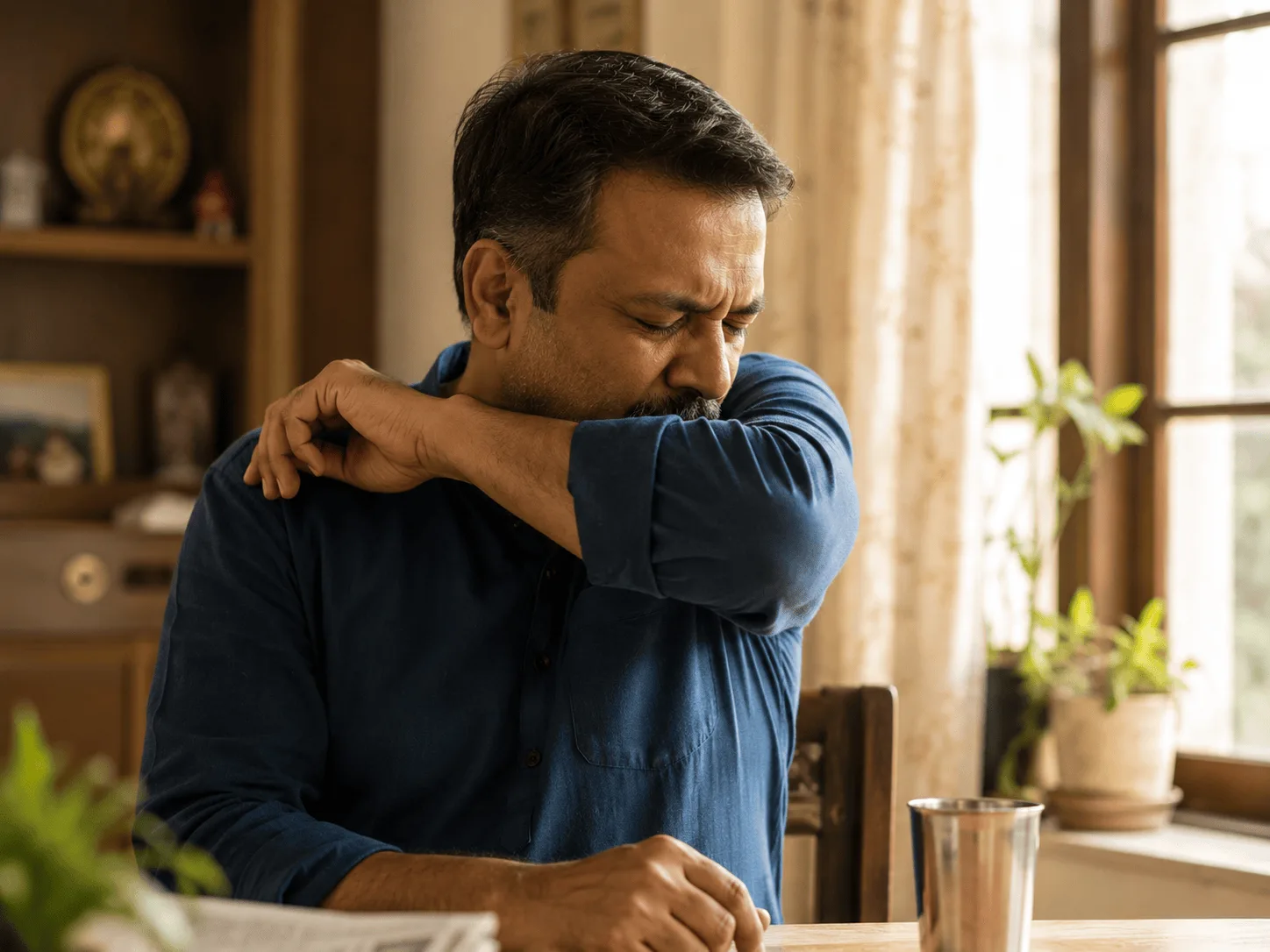
The classic pattern builds over weeks, not hours. The single most important sign is a cough that lasts more than two to three weeks. That is why a cough that lasts more than three weeks always deserves a test. Watch also for a fever that rises every evening, day after day. Drenching night sweats. Steady loss of weight and appetite. Blood in the sputum, even streaks, even once. Chest pain or breathlessness can come in later stages. So can a tiredness that rest does not fix.
TB outside the lungs looks different. It may show as a slowly growing neck swelling, or long-standing back pain with fever, or belly symptoms. None of these confirms TB on its own. All of them deserve a test rather than months of putting up with it.
How TB is diagnosed
Testing is simple, quick and well organised. A sputum test looks for the germ directly. Modern molecular tests (the CBNAAT or gene-based tests used across India) do two jobs. They confirm TB and check for drug resistance within hours. A chest X-ray shows how much of the lung is involved. Blood tests check general health, sugar and liver function before treatment starts. If TB is suspected outside the lungs, an ultrasound or a small needle sample from a lymph node settles it. At Memorial Hospital, sputum testing, X-ray and lab work are all in-house. So the answer does not take a week of running around.
Protecting the household while testing happens
While tests are underway, simple steps protect the family. The person with symptoms covers coughs with a cloth or elbow. They sleep in an airy room and avoid close contact with infants until results arrive. Tell the doctor about any child under five in the house. Also mention anyone with diabetes or low immunity. Preventive medicines exist for close contacts, and they are part of the national programme. None of this needs drama. It needs a few weeks of common sense.
TB treatment: how the cure works
Modern TB treatment is a fixed course of three to four medicines taken daily. The national programme (NTEP, built on the DOTS approach) supplies the full course free of charge across India. Treatment supporters help patients stay on track. Private and hospital care follows the same national protocols.
The medicines work in two phases. First comes an intensive phase of about two months. It kills the vast majority of germs, and this is when symptoms melt away. Then comes a continuation phase of about four months, which clears the stragglers. So the standard tuberculosis cure duration is six months for most patients. TB of the bones or brain, and drug-resistant TB, take longer.
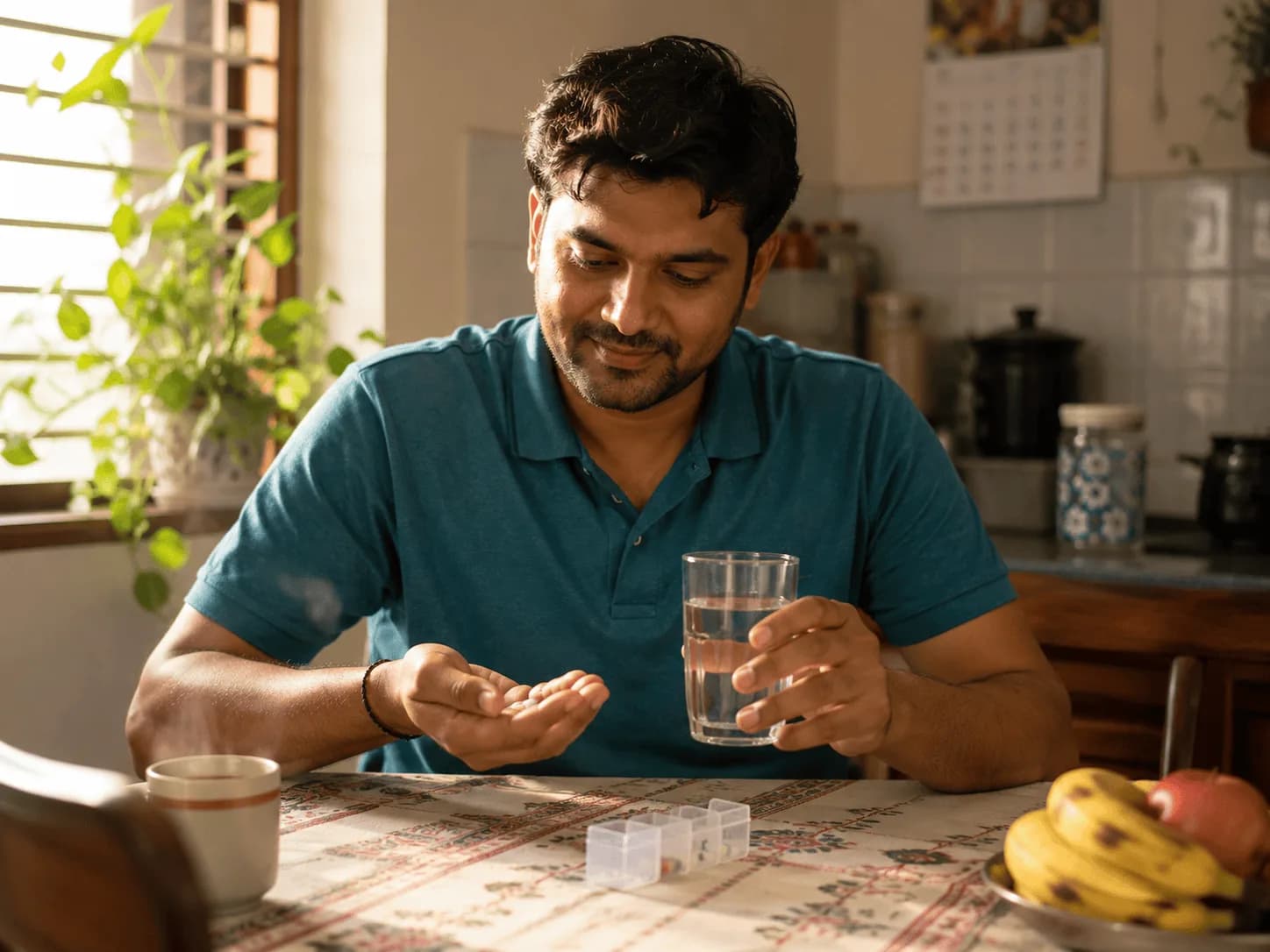
Here is the single most important rule in all of TB care: never stop the medicines early. Feeling better at month two means the treatment is working, not finished. Stopping midway breeds drug-resistant TB. That is a far harder, far longer illness. Six months of discipline buys a lifetime of cure.
The stigma is deadlier than the germ
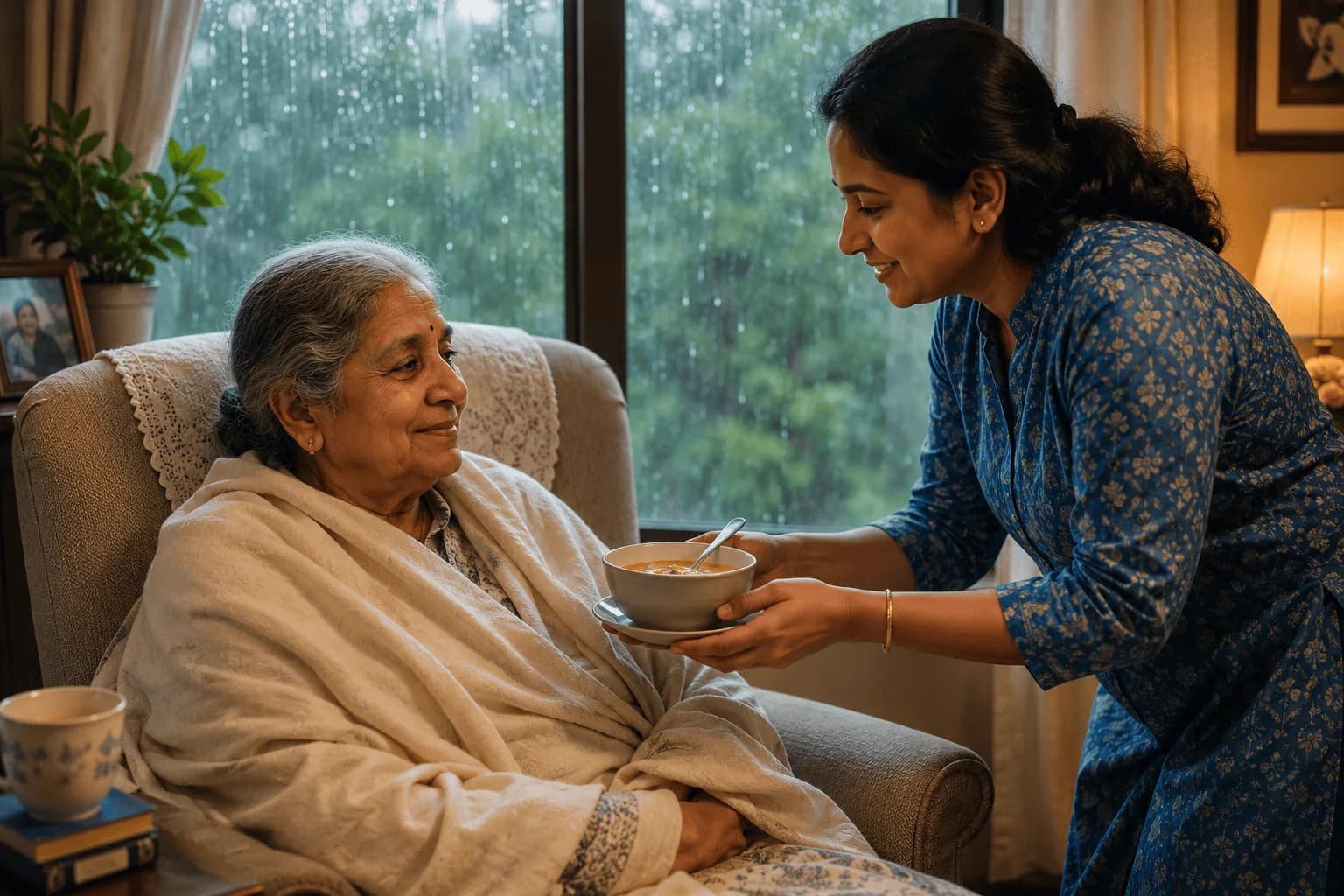
Families hide a TB diagnosis from relatives, employers and marriage prospects. That hiding delays testing for the next person with a quiet cough. Let the facts do their work. TB is an infection, not a character flaw. It strikes rich and poor, gym-goers and grandmothers. A patient on treatment quickly stops being infectious. Most can carry on with work or studies. After the cure, they have the same future as anyone else, marriage and children included. The kindest thing a family can do is treat TB like typhoid or pneumonia. An illness, treated, finished.
TB care at Memorial Hospital, Sonipat
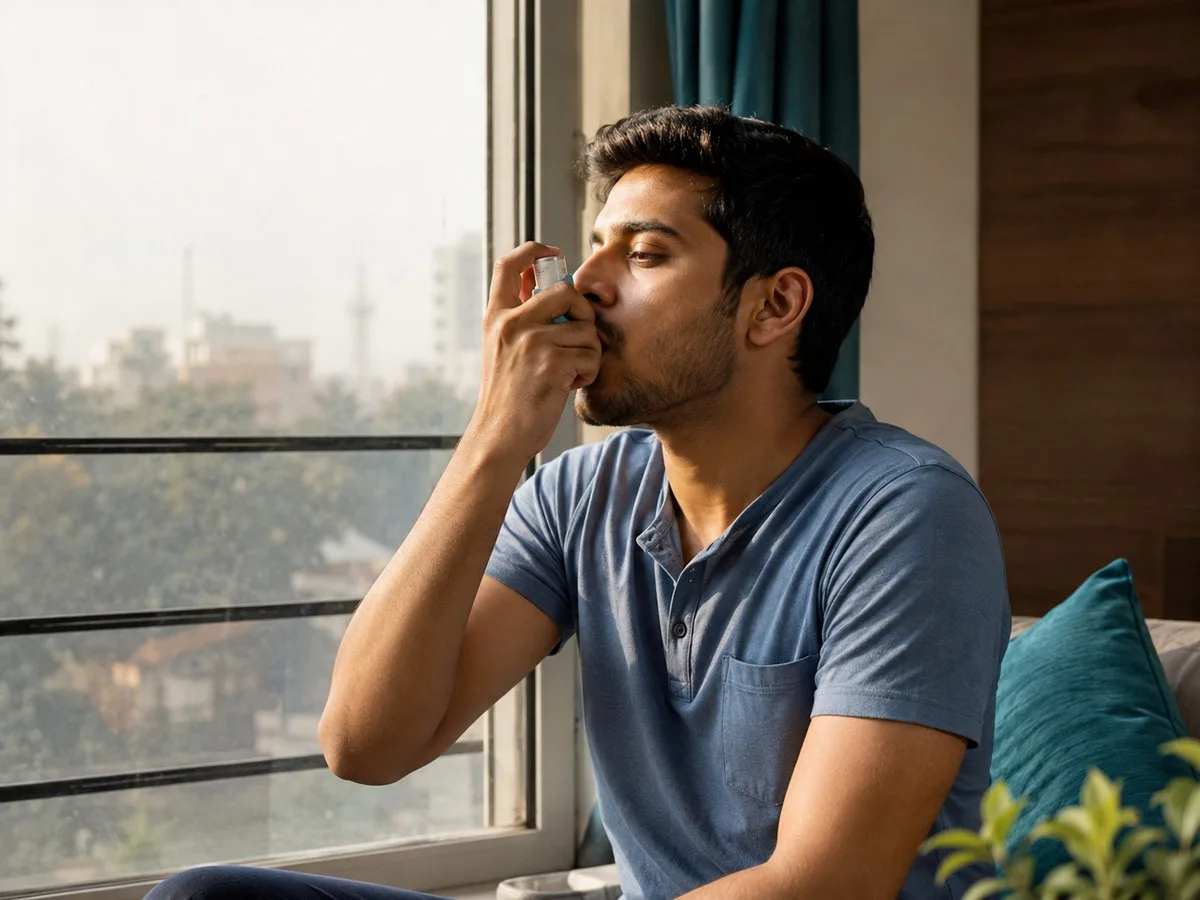
If TB is suspected, care at Memorial Hospital starts in the daily physician OPD. The check-up, sputum test and X-ray are arranged in one visit. National treatment protocols are followed with full confidentiality. For complex cases, patients looking for an experienced TB doctor in Sonipat have chest specialist support from Dr. KL Bansal, MBBS, MD, DTCD. He provides in-hospital respiratory consultations for admitted and referred patients. Please call the hospital to check his consultation availability. Admission, oxygen and 24×7 emergency care back the most severe cases. Patients with a long-standing cough are also screened for lookalikes such as asthma. That way the right disease gets the right treatment.
Frequently asked questions
Is TB completely curable?
Yes. When the standard course is taken fully and on time, the vast majority of TB patients are cured for good. The cure fails mainly when treatment is stopped early or taken on and off. That is why finishing the full course is the golden rule of TB care.
How long does TB treatment take?
Six months for most lung TB. That is roughly two months of intensive treatment, then four months of continuation. TB of the bones or brain, and drug-resistant TB, need longer courses. Your doctor confirms the exact duration - the calendar belongs to the protocol, not to how soon you feel better.
Can a TB patient live with family during treatment?
Yes. Within weeks of effective treatment, most patients stop being infectious. Sensible steps in the early weeks protect the household: cover coughs, air the rooms, and test any family member with symptoms promptly. Separate plates and isolation serve stigma, not science.
Is TB treatment really free in India?
Yes. The national TB programme provides the diagnosis and the complete medicine course free at government facilities. Registered patients also get nutrition support. Hospitals and private doctors follow the same national protocols, so wherever you start, the standard of cure is the same.
Six months to a full stop
A three-week cough is a question. Testing is the answer. Six months of medicines is the full stop. Book a physician consultation at the daily OPD to start testing, or call Memorial Hospital to check chest specialist consultation availability. This article is general information and not a substitute for a consultation.
Medically reviewed by Dr. KL Bansal, MBBS, MD, DTCD (Respiratory Medicine), Memorial Hospital, Sonipat.
Related specialty: Respiratory Medicine
Editorial note: This article is for general information and is not a substitute for personal medical advice. Please consult a qualified doctor about your specific symptoms. Last updated on 15 August 2026.